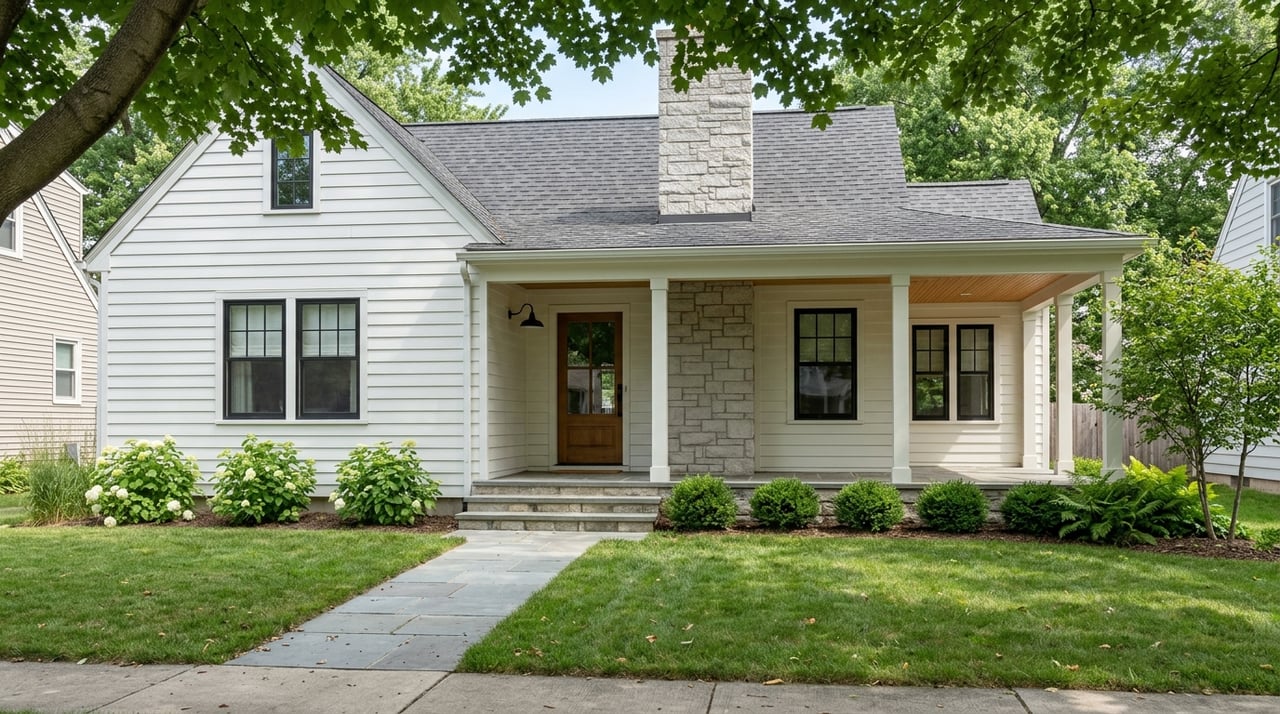
What if the right home in New Paltz is less about square footage and more about how you want to spend your day? If you are drawn to walkable streets, trail access, or an easier commute, your lifestyle can shape your search as much as your budget. In New Paltz, the difference between village living and town living is especially important, and understanding it early can help you focus on the homes that truly fit. Let’s dive in.
New Paltz has two distinct lifestyles
New Paltz is best understood as two connected housing markets: the village core and the larger town outside the village. Each offers a different rhythm of daily life, along with different housing types, density, and ownership patterns.
Current Census data shows the town is 51.4% owner-occupied, with a median owner-occupied home value of $464,400. The village is 20.3% owner-occupied, with a median owner-occupied value of $414,500. In simple terms, the village tends to be denser and more rental-oriented, while the town tends to offer a stronger single-family, owner-occupied profile.
Village living favors walkability
If you want to step outside and be closer to downtown activity, the village is often the first place to look. New Paltz leaders have long tied housing and planning to walkability, including mixed-use zoning and other housing reforms meant to support a more connected, greener neighborhood pattern.
The village’s DRI and NY Forward plan also notes that the Empire State Trail runs into downtown and along Main Street. That connection helps link homes, businesses, and public spaces in a way that supports daily errands, recreation, and car-light living.
For many buyers, that makes areas in or near the village center especially appealing. Homes near Main Street, Route 32 and Mulberry, and the Southside and Huguenot area may better fit a walk-to-everything lifestyle, based on the town’s trail, transit, and downtown access patterns.
Town living often means more space
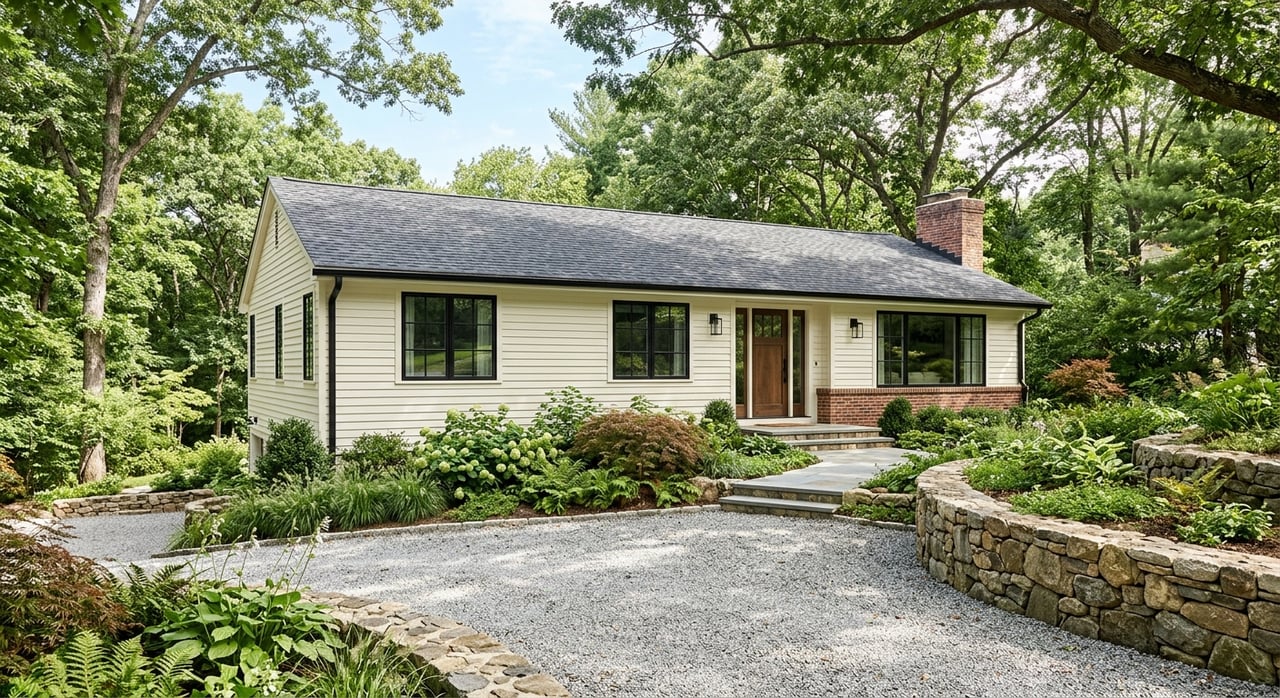
If your ideal home includes more yard space, easier parking, or a little more privacy, the town outside the village may be a better match. Ulster County housing data shows the town outside the village has a much higher share of owner-occupied housing and a larger share of homes built from the 1960s onward.
That age mix can matter in practical ways. Newer housing stock may offer a layout, lot size, or maintenance profile that feels different from an older village property. If your priority is more house and land rather than a compact downtown setting, the town may deserve a closer look.
Outdoor access can change your priorities
In New Paltz, outdoor access is not just a bonus. It is a central part of how many people choose to live. Mohonk Preserve protects more than 8,200 acres, and the River-to-Ridge Trail connects New Paltz to the Shawangunk Ridge and to 90 miles of Mohonk Preserve and Minnewaska carriage roads and trails.
The area is also connected by the Empire State Trail network. The Lloyd-to-New Paltz section follows the paved Hudson Valley Rail Trail and continues into downtown, while the New Paltz-to-South Kingston section continues north on the Wallkill Valley Rail Trail.
If you bike, hike, or simply want easy access to the outdoors, trail proximity may matter almost as much as the home itself. A property with practical features like off-street parking, bike storage, or an easy route to a trail crossing may fit your routine better than a similar home farther away.
Commuting looks different by location
New Paltz offers strong road access for the Hudson Valley. The New York State Thruway identifies Exit 18 as New Paltz-Poughkeepsie-NY Route 299, and that corridor has been reported as carrying more than 40,000 vehicles per day.
That road network can be a major plus if you commute or travel often. Access to Route 299, the Thruway, Route 32, and 9W can shape how convenient a property feels from one block to the next.
Transit is also part of the picture, though it is more route-based than city-style. UCAT’s New Paltz Loop currently runs twice weekly through the village and town, with stops including Main Street at Prospect Street, Shoprite Plaza, Tops Plaza, and SUNY New Paltz stops. UCAT’s X Route connects New Paltz with Newburgh Mall and Kingston, and Trailways currently lists service from New Paltz to New York.
If fewer car trips are high on your list, homes near the village core and transit stops may be more practical. If you prefer a larger lot or more separation from downtown activity, you may decide that extra driving is worth the tradeoff.
Housing stock varies more than you might expect
The village and town do not just feel different. They also offer different housing inventories. Ulster County’s housing snapshots show the village with 2,288 housing units, 73% renter-occupied, and 21% built before 1940.
The town outside the village had 2,937 housing units, 78% owner-occupied, and a much larger share built from 1960 onward. That means your search experience can shift quickly depending on whether you want an older home with village character or a later-built home in a more suburban or rural setting.
Here is a simple way to think about the difference:
| Area | Common lifestyle fit | Housing profile |
|---|---|---|
| Village | Walkability, downtown access, trail connections | Denser housing, more rentals, more older homes |
| Town outside village | More space, parking, privacy | Higher owner occupancy, more detached homes from 1960 onward |
Historic homes come with extra considerations
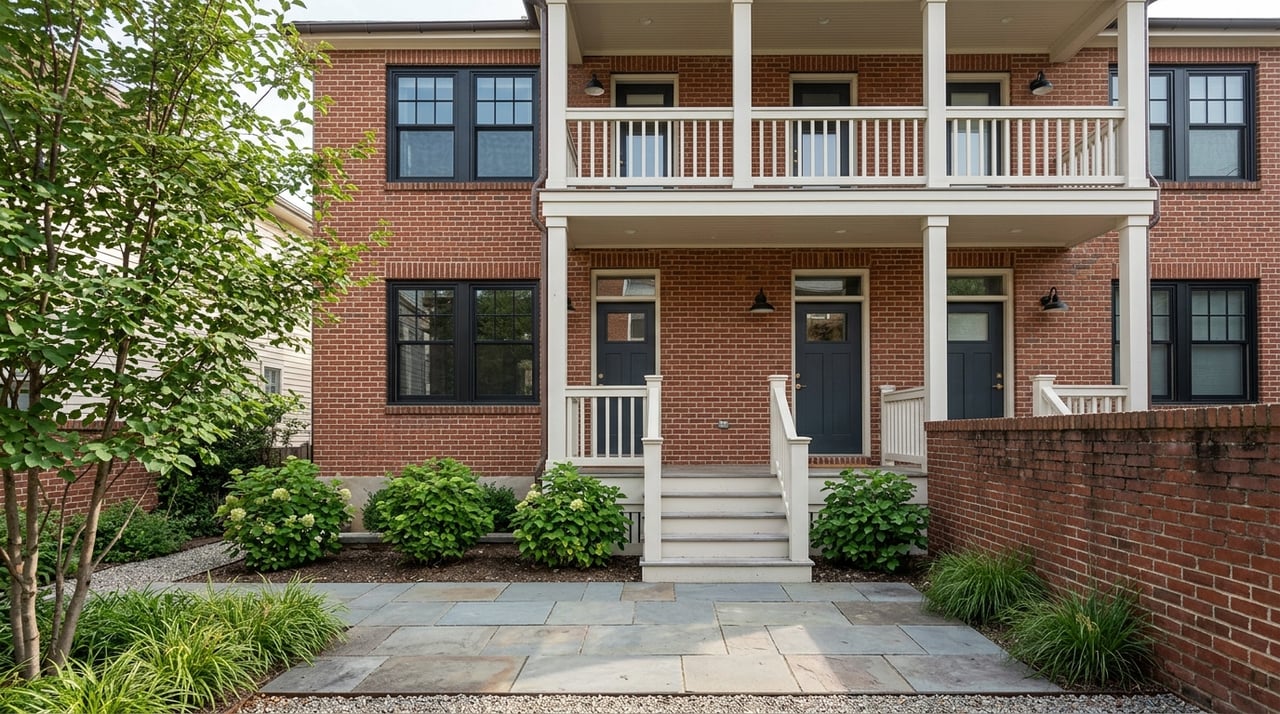
Historic character is part of New Paltz’s appeal, especially in older parts of the village. The Village Historic Preservation Commission reviews exterior changes for landmarked properties and for properties in the Huguenot Street Historic District, which the village says was established in 1964.
That does not make these homes less appealing. It simply means you should go in with clear expectations. If you are considering a historic property, it is smart to plan for possible maintenance needs, systems updates, and design review steps that may not apply in a newer area.
The town also highlights its 18th-century stone-house heritage. Buyers interested in older homes across New Paltz should factor in both the charm and the added planning that can come with preservation-minded ownership.
ADU potential may influence your search
Some buyers need a home that can support multigenerational living, guest space, or long-term flexibility. In New Paltz, accessory dwelling unit rules vary by municipality, so this is something to confirm early.
The Town Building Department has an owner-occupied accessory dwelling unit application, and the town code defines ADUs on owner-occupied lots. In the village, accessory apartments require permits.
If that kind of flexibility matters to you, it helps to treat it as a core search criterion rather than an afterthought. Not every property will support the same options, even if the lot looks promising at first glance.
How to align your search with your lifestyle
The clearest path is to rank your daily priorities before you start touring homes. In New Paltz, lifestyle fit often comes down to a few practical questions.
Ask yourself:
- Do you want to walk to downtown shops, services, or trail connections?
- Do you want quick access to the Empire State Trail, Wallkill Valley Rail Trail, or Mohonk-area recreation?
- Do you need easier access to Route 299, the Thruway, Route 32, or 9W?
- Do you want more yard space, easier parking, or more privacy?
- Are you open to an older or historic home with added maintenance and review considerations?
- Do you need room for an accessory dwelling unit or secondary living space?
Your answers can help narrow the map quickly. In a place like New Paltz, choosing between village convenience and town space can be just as important as choosing between two houses.
A thoughtful home search starts with how you want to live, not just what you want to buy. If you are weighing New Paltz village versus town, trail access versus lot size, or charm versus flexibility, working with a local team can help you sort through those tradeoffs with more confidence. When you are ready to talk through your goals, connect with Jennifer Mangione - Grist Mill Real Estate.
FAQs
What is the difference between living in New Paltz village and town?
- The village is generally denser, more walkable, and more rental-oriented, while the town outside the village has a higher share of owner-occupied homes and more detached housing.
How does trail access affect a New Paltz home search?
- Trail access can be a major lifestyle factor because New Paltz connects to the Empire State Trail, Wallkill Valley Rail Trail, River-to-Ridge Trail, and Mohonk Preserve area.
What should buyers know about historic homes in New Paltz?
- Some historic or landmarked properties, including homes in the Huguenot Street Historic District, may have exterior-change review requirements and may need more maintenance planning.
Is New Paltz a good fit for buyers who want walkability?
- Buyers who want walkability often focus on the village core, where downtown access, trail connections, and some transit stops are more convenient.
Can buyers look for homes with ADU potential in New Paltz?
- Yes, but buyers should verify local rules early because the town and village handle accessory dwelling units and accessory apartments through their own permitting and code requirements.
What matters most for commuters buying in New Paltz?
- Many commuters compare access to Route 299, the Thruway, Routes 32 and 9W, transit stops, and the tradeoff between convenience, lot size, and parking.