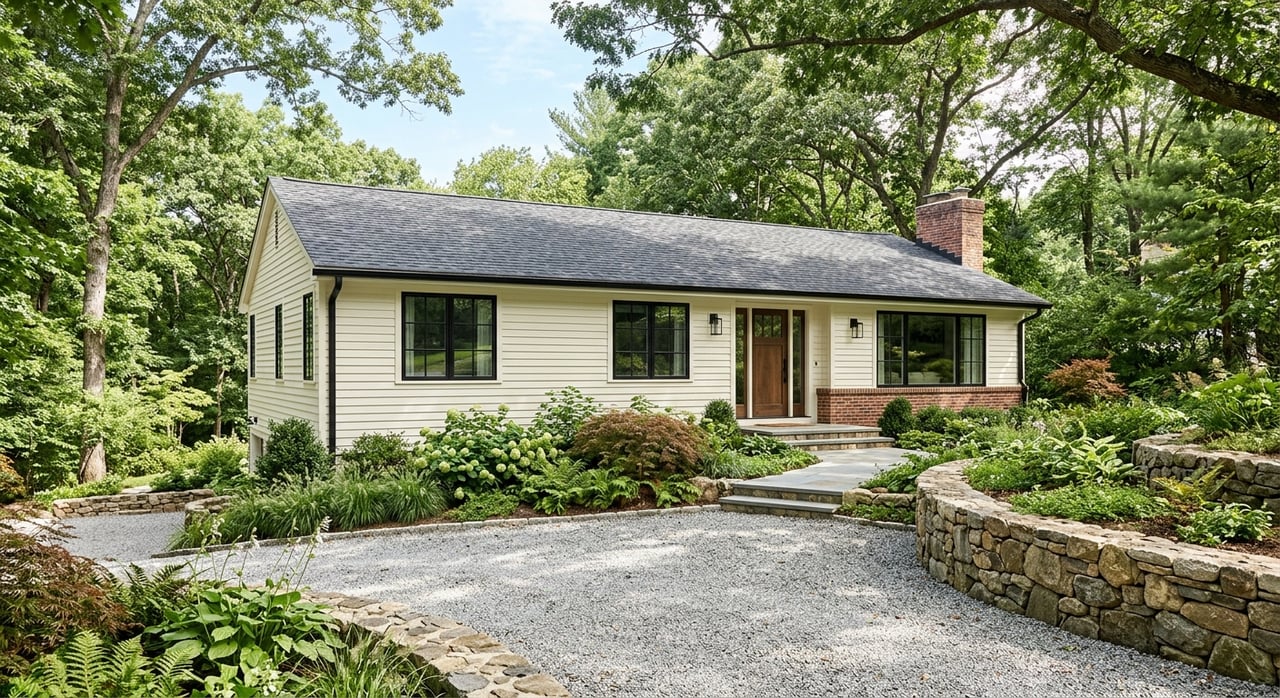
Thinking about buying in Hurley or West Hurley? You might be surprised by how much the housing changes from one part of town to the next. If you are hoping to find the right fit, it helps to know where historic stone homes give way to ranches, raised ranches, and larger rural parcels. This guide will walk you through what buyers usually find in each area, what to watch for on the property itself, and how the setting can shape daily life. Let’s dive in.
Hurley has two distinct housing areas
One of the most important things to know is that Hurley is not a one-style market. Town planning documents describe two main hamlet centers within the town: West Hurley to the north and Hurley hamlet to the south.
Across the town, single-family homes make up the dominant housing pattern. The town’s existing conditions report says single-family residential parcels account for 73.3% of tax parcels and 91.7% of residential parcels, with most single-family residences on an acre or more.
That said, the feel changes quickly depending on where you are. Outside the hamlets, the landscape becomes more rural, with large-lot single-family housing and scattered home-style businesses.
Old Hurley homes feel historic and distinctive
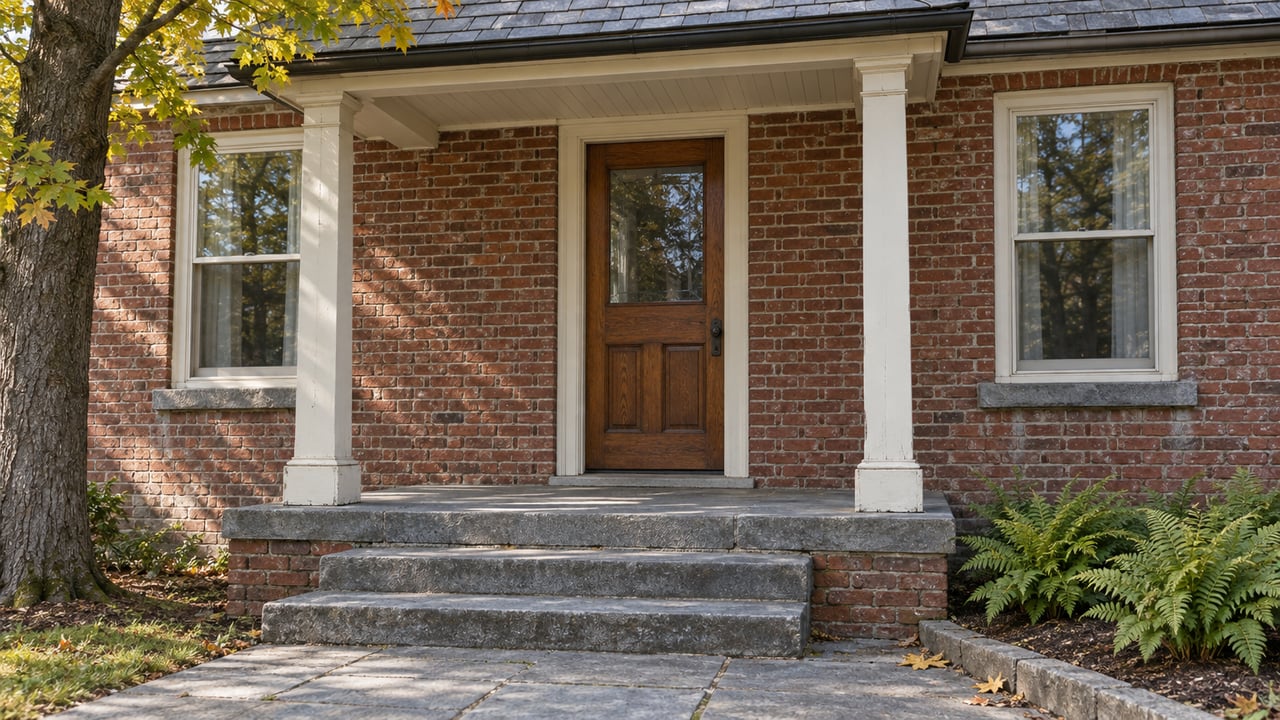
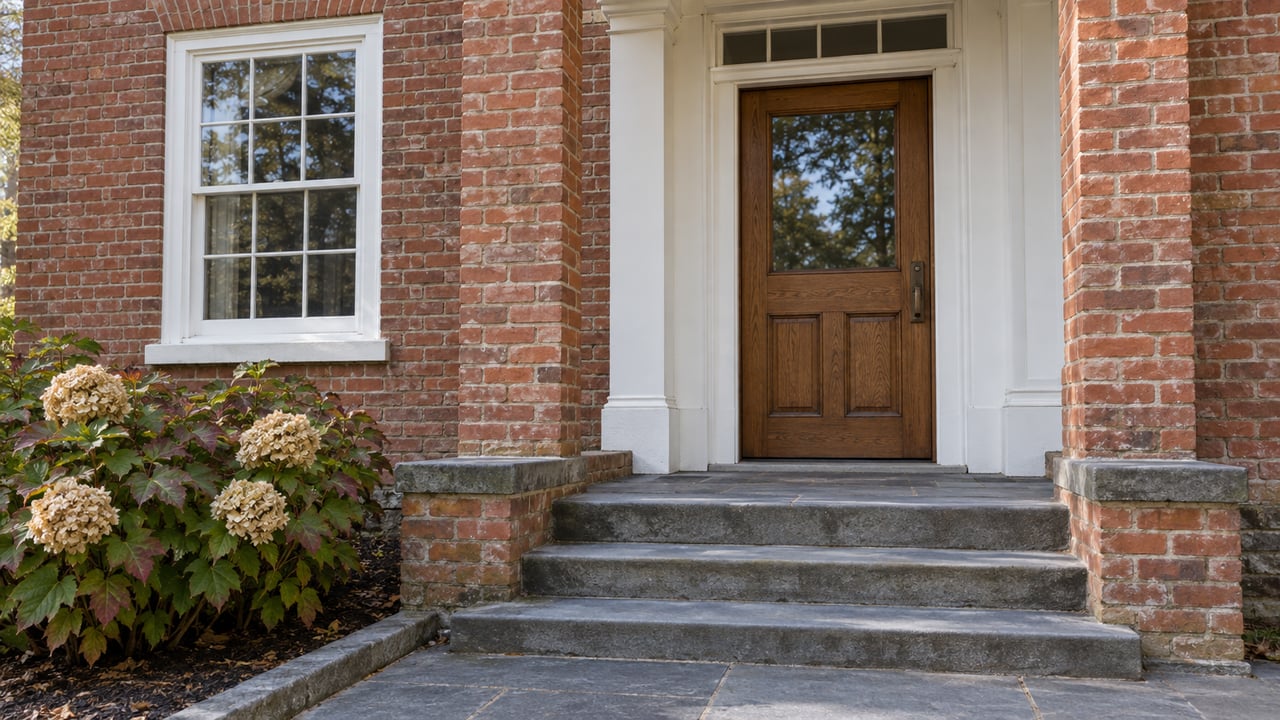
If you are drawn to older homes with character, Old Hurley is often the area that stands out first. This historic core is known for its Dutch stone houses and colonial-era architecture rather than a typical subdivision layout.
New York State Parks describes Hurley’s Dutch stone houses as a compact group of ten homes built between 1715 and 1790. It also notes that the larger Hurley community includes 25 of the oldest private homes in the United States, dating to the late 1600s.
The town’s historic district covers about 40 acres and contains a cluster of stone houses unique to Old Hurley. In practical terms, that means you may find compact streets, older village-style homes, and architecture that feels closely tied to local history.
What buyers often notice in Old Hurley
Homes here may offer details that are hard to duplicate in newer construction. Stone exteriors, older layouts, and historic character are part of the appeal, but they also mean each property can be very individual.
From the main road, you may not immediately feel that historic setting. The town notes that Route 209 works more like a commuter arterial, with limited curb cuts and less visible neighborhood character until you turn onto local roads.
West Hurley homes are often more midcentury to modern
West Hurley developed differently, and the housing stock reflects that. Town planning history connects the area to quarrying, railroad-era growth, and later relocation tied to reservoir construction.
For many buyers, that usually means a more practical mix of 20th-century home styles. You are more likely to see colonials, ranches, raised ranches, Capes, split-levels, and similar midcentury-era homes in West Hurley.
The town’s recent residential sales records reinforce that variety. They include ranches, raised ranches, Cape Cods, split-levels, colonials, bungalows, old-style homes, and some contemporary builds.
What the setting feels like in West Hurley
West Hurley is shaped in part by Route 28 and Route 375, which the town identifies as major transportation corridors. Much of the development along those roads remains residential, giving some areas a more road-accessible and visible feel.
At the same time, not every property feels exposed to the corridor. Some homes sit in pockets that feel wooded or tucked away, while others are closer to the main routes and daily traffic flow.
The town also notes that the north side of Route 28 is largely made up of small-lot residential development or land constrained by wetlands or bedrock. It also reports that few newer buildings are found along the Route 28 strip.
Lot sizes can vary more than buyers expect
One of the biggest surprises for buyers in Hurley and West Hurley is how much lot size can change from one area to another. You can find village-scale lots in some pockets and much larger rural parcels in others.
Town zoning reflects that range. The A-2.5 district requires 2.5 acres, and the A-4 district requires 4 acres. Residential districts such as R-1 and R-2 can allow smaller lots, ranging from 40,000 square feet without central utilities to 12,000 square feet where both central sewer and water are available.
The town’s historic district follows R-2 standards. That helps explain why some homes feel part of a compact hamlet while others sit on far more land.
The larger land pattern matters too. Hurley’s existing conditions report shows 77 parcels classified as rural residences on 10 acres or more, accounting for 52% of residential land area.
What this means when you tour homes
As you compare properties, it helps to look past the house itself and study the parcel. A home in Hurley or West Hurley may come with a very different sense of privacy, maintenance, and usable land than another home at a similar price point.
It is worth paying close attention to:
- Lot size and zoning district
- How much of the land is open versus wooded
- Whether the home sits close to a main road or feels set back
- Driveway layout and ease of access
- Any signs that the parcel is shaped by wetlands, bedrock, or slope
Well and septic are common features to verify
In Hurley and West Hurley, utility details can be just as important as style and square footage. Town documents say most residences and businesses rely on individual wells and septic systems.
That means buyers should be ready to confirm what serves the property and how those systems fit the site. This is especially important because local conditions can affect performance.
The town’s West Hurley groundwater study warns that shallow bedrock and older septic systems can affect performance in parts of West Hurley. Some properties in West Hurley and Glenford are served by private community water systems, but wells and septic remain common across the town.
Property questions worth asking early
When you are looking at homes in these areas, make sure you understand the basics of the site before you get too far into the process.
Helpful questions include:
- Does the property use a private well, septic system, or community water system?
- Is there anything about bedrock, drainage, or older infrastructure that may affect use?
- How does the driveway function in different weather conditions?
- Is the lot mostly level, wooded, or constrained in any way?
Daily life depends on which pocket you choose
Where you live within Hurley can shape your day-to-day routine. The town identifies Route 28, Route 375, and Route 209 as the major transportation routes, and residents have quick access to the Thruway by way of Exit 19 in the nearby Town of Ulster.
UCAT also serves the Main Street and Wynkoop Road area as well as the Route 28 and Route 375 intersection. For some buyers, that transportation framework makes West Hurley especially appealing because of its corridor access.
For others, the draw is less about the road network and more about the setting. Old Hurley tends to appeal to buyers who want a historic village feel, while West Hurley often attracts those looking for a midcentury or more road-connected property near outdoor amenities.
Outdoor access is a major lifestyle perk
Hurley offers strong access to recreation, and that can be a big part of the buying decision. The town highlights the O&W Rail Trail, which runs along Route 209 and heads into scenic forest.
West Hurley also benefits from the Ashokan Rail Trail, which runs from West Hurley to Boiceville through forest, wetlands, and along the reservoir. The town also identifies a park in West Hurley on Dug Hill Road with the Blueberry Trail walking trail.
These features add another layer to the local housing search. If you want quick access to trails and reservoir-area scenery, certain parts of West Hurley may feel especially convenient.
What to expect overall from homes here
If you are trying to picture the market at a glance, a simple comparison can help. Old Hurley and West Hurley share the same town, but they often offer very different housing experiences.
| Area | What you may find |
|---|---|
| Old Hurley | Historic stone houses, Dutch Colonial-era architecture, older village-style homes, compact historic streets |
| West Hurley | Ranches, raised ranches, Capes, split-levels, colonials, and a more corridor-oriented setting |
| Outlying rural areas | Larger lots, lower-density single-family homes, and more acreage-driven properties |
In both areas, the smartest approach is to focus on the full property story. Style matters, but so do lot size, road access, utilities, and how the setting fits the way you want to live.
If you are weighing Hurley against West Hurley, local context makes a real difference. A hands-on guide can help you sort through historic homes, acreage, and practical site details so you can move forward with confidence. When you are ready to explore the area, connect with Jennifer Mangione - Grist Mill Real Estate for thoughtful, local guidance.
FAQs
What types of homes are common in Hurley, NY?
- In Hurley overall, single-family homes are the dominant housing type, with a mix that includes historic stone homes, colonials, ranches, raised ranches, Capes, split-levels, bungalows, and some contemporary homes.
What is the difference between Old Hurley and West Hurley homes?
- Old Hurley is best known for historic stone houses and older village-style homes, while West Hurley more often features 20th-century styles such as ranches, raised ranches, Capes, split-levels, and colonials.
Are lot sizes in Hurley and West Hurley usually large?
- Lot sizes vary widely depending on the area and zoning, from smaller hamlet-scale lots to rural parcels of several acres, with many single-family homes on an acre or more.
Do homes in West Hurley usually have well and septic systems?
- Many do, because town documents say most residences and businesses in Hurley rely on individual wells and septic systems, though some West Hurley properties are served by private community water systems.
Is West Hurley convenient for commuting and outdoor access?
- West Hurley is positioned near Route 28 and Route 375, and it also offers access to outdoor features like the Ashokan Rail Trail and the Blueberry Trail in the West Hurley park area.
What should buyers check before purchasing a home in Hurley or West Hurley?
- Buyers should closely review lot size, zoning context, well and septic status, driveway access, and whether the property feels road-front, wooded, or tucked away.