Buying your first home in Red Hook can feel exciting and a little intimidating at the same time. Prices can vary a lot from one property to the next, and the difference between village living and a more rural setting can shape your budget, your routine, and your long-term upkeep. If you are trying to make sense of what first-time buying really looks like here, this guide will walk you through the market, common home types, due diligence, and a few local details that matter before you make an offer. Let’s dive in.
What First-Time Buyers Should Know
Red Hook is not a one-price market. Current data shows a wide spread between listing prices and recent sale prices, which usually means you need to look at each home in context rather than rely on one headline number.
Realtor.com’s March 2026 overview showed a median listing price of $724,250, 36 homes for sale, a median of 121 days on market, and homes selling for 3.45% below asking on average. Redfin’s rolling three-month snapshot ending May 2026 showed a median sale price of $429K and a median of 108 days on market.
For a first-time buyer, the practical takeaway is simple. Red Hook may still offer an entry point, but many of those options begin in the mid-$400,000s and move up quickly, especially when land, privacy, or estate-style features are part of the property.
Red Hook Price Ranges
If you are building a budget, it helps to think in asking-price bands.
Entry and lower-middle inventory currently includes examples like a $449K three-bedroom, one-bath home with 1,325 square feet, a $495K three-bedroom, two-bath contemporary ranch on 3 acres, and a $517K three-bedroom, four-bath home. That range can be a useful starting point if you want a first home without moving immediately into the upper end of the market.
The mid-market single-family range climbs fast. Current examples include a $590K ranch on 2.39 acres, a $729K four-bedroom, three-bath home, an $800K five-bedroom, three-bath home, and an $899K four-bedroom, three-bath home.
At the upper end, land and acreage-oriented properties can skew overall market numbers. Current listings include large parcels such as 91.34 acres at $2.6M, 164.59 acres at $1.45M, and 41.36 acres at $1.5M.
Common Red Hook Home Types
Red Hook’s housing stock reflects both its village center and its rural surroundings. The Town of Red Hook identifies the Village as the town’s commercial and civic center, and local planning documents aim to preserve historic building traditions while guiding new development and changes to existing homes.
That helps explain why first-time buyers often see a mix of older village homes, ranches on a few acres, country homes with privacy, and buildable land parcels. Each option can fit a different lifestyle, but each also comes with a different ownership experience.
Older Village Homes
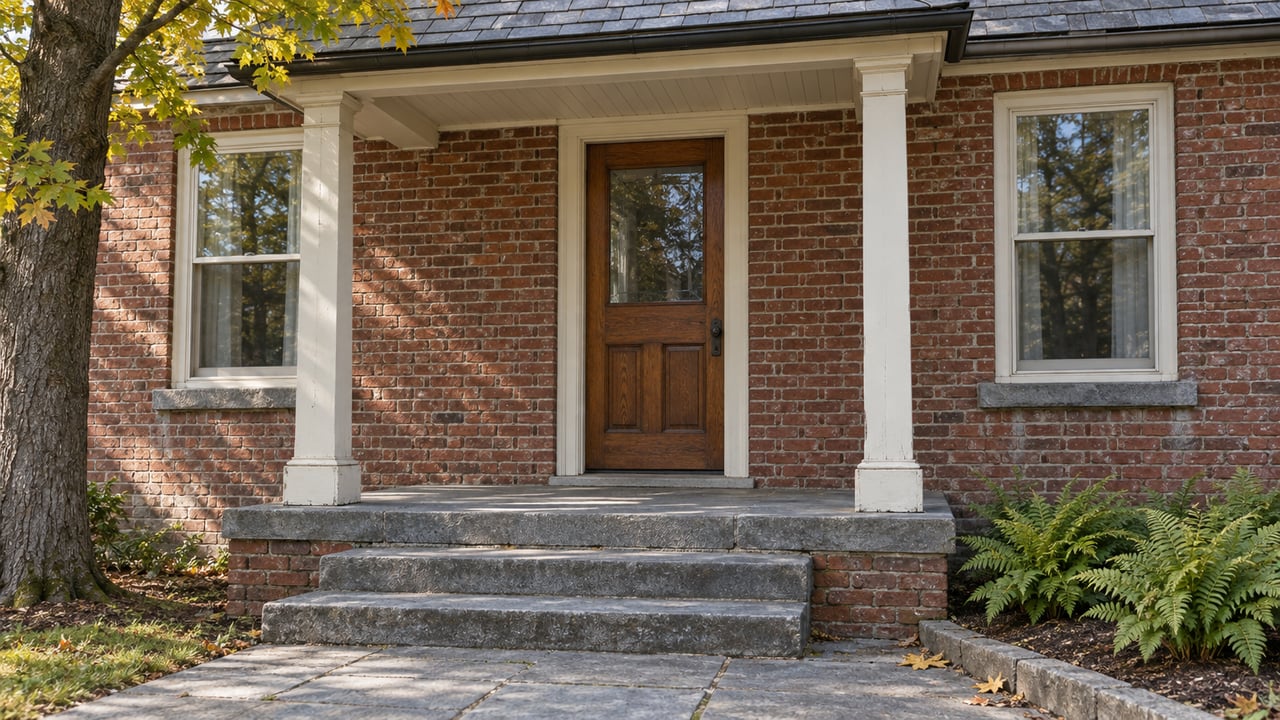
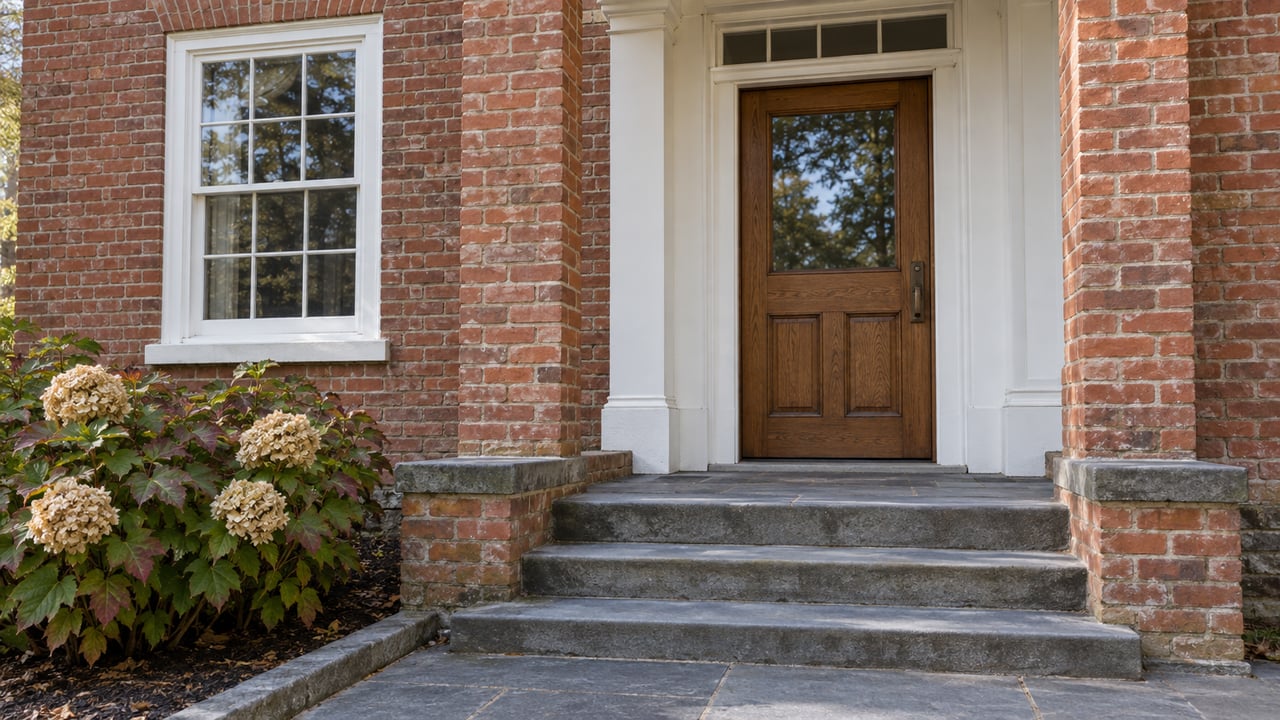
Older village or near-village homes often offer character, established streets, and smaller lots. For some buyers, that can mean less land to maintain and a more compact day-to-day setup.
The tradeoff is that older homes may need more attention to systems, maintenance, or local code review, especially if you hope to renovate later. If charm is high on your list, it is smart to pair that excitement with careful inspection and a realistic repair budget.
Ranches on Acreage
Ranches and contemporary ranches on 2 to 4 acres show up often in Red Hook. Current examples include a 1953 ranch on Norton Road and a 1979 contemporary ranch on Yantz Road.
These homes can appeal to first-time buyers who want more outdoor space and privacy than a village lot may offer. At the same time, more land usually means more mowing, more snow management, and more attention to wells, septic systems, and driveways.
Country and Retreat-Style Homes
Some homes in Red Hook are marketed around privacy, views, ponds, wooded acreage, or a quieter setting. These properties can be beautiful, but they may also bring more ongoing property care than a first-time buyer expects.
If you are drawn to that lifestyle, it helps to think beyond the listing photos. Ask yourself how much time, money, and effort you want to spend on outdoor upkeep through all four seasons.
Land Parcels and Build Opportunities
You may also see land listings that mention driveway work, septic planning, wooded acreage, or board-of-health approvals in progress. Those properties can be appealing if you are thinking long term, but they usually require more homework than a move-in-ready house.
For a first-time buyer, land is rarely the simplest path. Before you move forward, you would want to confirm access, approvals, and what it may take to support a future build.
Village vs. Outlying Living
One of the most important local details is whether a property is in the Village of Red Hook or in the Town outside the village. They are separate municipalities, and that affects zoning, permitting, road maintenance, and some parts of daily life.
This is not just a technical detail. It can influence how your week feels, what you maintain yourself, and how you plan future improvements.
What Village Living Can Mean
In the village, daily life tends to be more compact and service-oriented. The Village of Red Hook Department of Public Works handles village roads and sidewalks, along with seasonal work such as plowing, sanding, street sweeping, and brush and leaf removal.
The village also has parking restrictions that matter in winter. From November 1 through March 31, overnight street parking is restricted so snow removal can happen properly.
For many buyers, village living can mean less yard and driveway responsibility and a closer-in setting with sidewalks and municipal services. The tradeoff may be an older home, a smaller lot, or more local review for changes to the property.
What Outlying Living Can Mean
Outside the village, life is often more car-dependent and more maintenance-driven. The Town Highway Department maintains town roads and bridges, but that does not include private roads or roads maintained by the village, county, or state.
The town’s snow-and-ice policy also says it aims for passable, reasonably safe roads and does not have a bare-roads policy. For a first-time buyer, that matters because winter driving, driveway clearing, and general weather planning may be more hands-on.
If you want more privacy or more land, the town may offer a better fit. Just make sure your budget includes the real cost of upkeep, not only the monthly mortgage payment.
Inspections and Due Diligence
A first home in Red Hook should come with a strong inspection plan. In New York State, anyone performing a home inspection for compensation must hold a state home inspector license, and a home inspection is defined as a written report on the systems and components of a residential building.
That baseline matters for every buyer, but some Red Hook properties call for added diligence.
Pay Close Attention to Older Homes
If a home was built before 1978, lead-related disclosures may apply. The EPA says buyers of most housing built before 1978 have the right to receive known information about lead-based paint and hazards before signing a contract, and buyers may hire an independent lead inspector before committing to purchase.
This is especially important if you are considering an older village home and thinking about updates after closing. Renovation plans should start with a clear understanding of both condition and safety.
Plan for Well and Septic Checks
Rural properties often need more than a standard home inspection. The EPA recommends annual private well testing for total coliform bacteria, nitrates, total dissolved solids, and pH, and says testing should happen right away after flooding, nearby land disturbance, repairs, or a noticeable change in water quality.
For septic systems, the EPA says inspections are often required at transfer in some states and should generally be done every 1 to 3 years. In practical terms, if a Red Hook property has private water or septic, your due diligence should confirm how those systems work, their condition, and whether there are any concerns that could affect your costs after closing.
Negotiating in Today’s Market
Recent market data suggests buyers may have some room to negotiate in Red Hook, especially when a property has been on the market for a while or inspections uncover deferred maintenance. Realtor.com’s March 2026 data showed a 97% sale-to-list ratio and homes selling 3.45% below asking on average.
Redfin’s May 2026 snapshot also showed a median of 108 days on market. That does not mean every seller will reduce price or offer credits, but it does mean a well-supported offer can matter.
For first-time buyers, that usually means focusing on facts. If inspections reveal needed repairs or rural-system concerns, those findings can help support a request for a price adjustment or seller credit.
Financing and Local Process Notes
If you are buying your first primary residence, New York State’s SONYMA program may be worth exploring. SONYMA defines a first-time buyer as someone who has not owned a primary residence in the last three years.
Its Down Payment Assistance Loan is available with SONYMA mortgages, carries 0% interest with no monthly payments, and may be forgiven after 10 years. According to the program information, assistance can cover up to 3% of the purchase price, with a maximum that can reach $15,000 depending on the loan amount.
That kind of help can make a real difference when you are juggling down payment, closing costs, moving expenses, and early repairs. If you think you may qualify, it is worth asking early so you can shape your home search around the right numbers.
A Smart First-Home Checklist
Before you write an offer in Red Hook, keep this short checklist in mind:
- Confirm whether the property is in the Village of Red Hook or in the Town outside the village.
- Verify zoning and lot-specific limits before planning additions, decks, outbuildings, or solar.
- Match the inspection plan to the property type.
- Look at both current asking prices and recent sale data when setting your offer strategy.
- Budget for the upkeep that comes with the home’s setting, not just the home itself.
Buying your first home here is not only about finding the right number of bedrooms. It is about matching your budget, your routine, and your comfort level with maintenance to the kind of property you choose.
If you are thinking about buying your first home in Red Hook, a local, hands-on guide can help you sort through pricing, property type, and the details that are easy to miss online. Connect with Jennifer Mangione - Grist Mill Real Estate for thoughtful guidance as you explore your options in the Hudson Valley.
FAQs
What does a first home in Red Hook usually cost?
- Current entry and lower-middle listings suggest many first-home options begin in the mid-$400,000s, while mid-market single-family homes often rise into the $500,000s and above.
What is the difference between buying in the Village of Red Hook and outside the village?
- The village and the surrounding town are separate municipalities, which can affect zoning, permitting, road maintenance, parking rules, and daily upkeep.
Do Red Hook first-time buyers need more than a standard home inspection?
- Often, yes. A licensed home inspection is essential for all homes, and properties with wells, septic systems, older construction, or large acreage may need added due diligence.
Are Red Hook buyers able to negotiate right now?
- Recent data suggests there may be room for negotiation in some cases, since homes have been taking over 100 days to sell and average sale prices have come in below asking.
Can first-time buyers in Red Hook get down payment help?
- New York State’s SONYMA program may offer help for eligible buyers, including a 0% interest Down Payment Assistance Loan that may be forgiven after 10 years.
Why does property type matter so much in Red Hook?
- Red Hook has a mix of older village homes, ranches on acreage, country properties, and land parcels, and each one can come with different maintenance needs, inspection priorities, and long-term costs.