If you are thinking about buying a multi-family property in Kingston, you are looking at a market with real opportunity and real complexity. That can feel exciting and a little overwhelming at the same time, especially if you want steady rental income without surprises after closing. This guide will help you understand what makes Kingston different, what to watch during due diligence, and how to evaluate deals with more confidence. Let’s dive in.
Why Kingston Gets Investor Attention
Kingston is a small city, but it has many of the traits investors look for in a rental market. The Census estimates 23,748 residents in 2024, with a median gross rent of $1,469 and an owner-occupied housing rate of 48.4%. That mix points to a meaningful renter base in a market where stable occupancy can matter just as much as future appreciation.
Another useful signal is residential stability. Census data shows 88.8% of residents were living in the same house one year earlier. For you as an investor, that can support a strategy built around durable cash flow, practical operations, and long-term holding rather than aggressive turnover assumptions.
Kingston’s Multi-Family Stock Is Deep
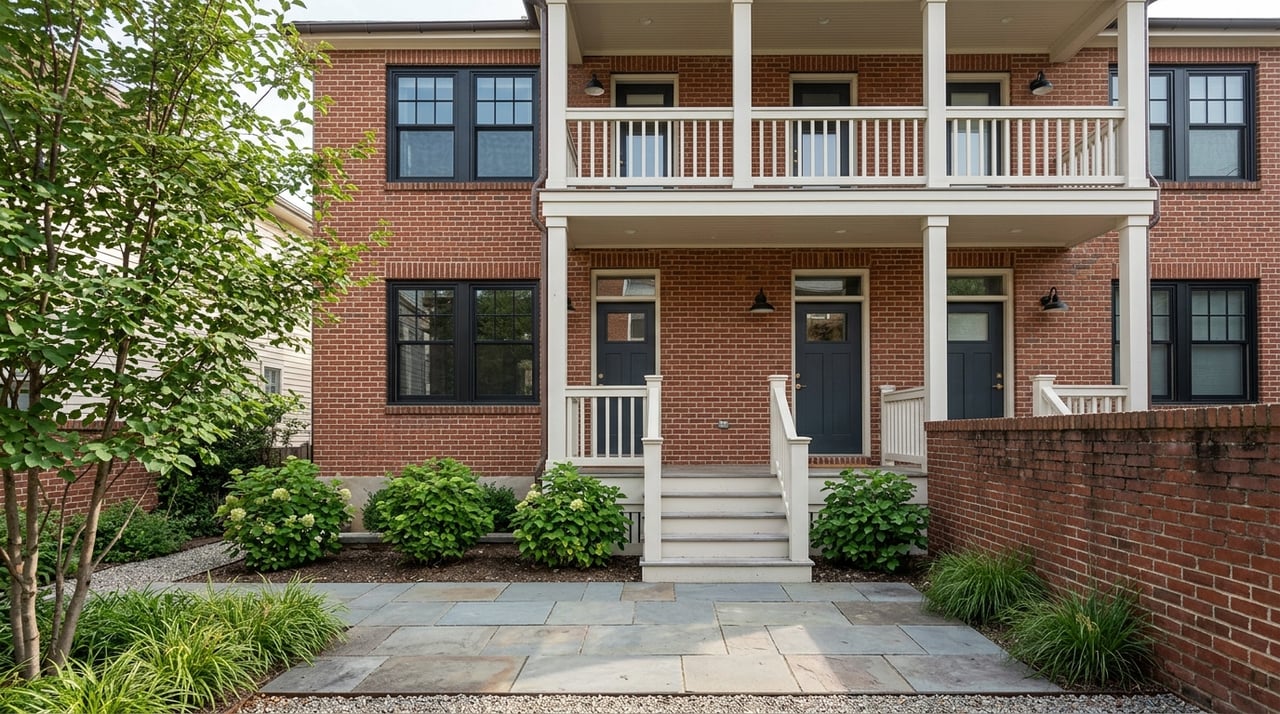
Kingston has a strong supply of smaller multi-family properties, which is part of what makes it attractive to buyers looking beyond single-family homes. Local housing data shows 2,027 two-unit buildings, 1,256 three- or four-unit buildings, 672 five- to nine-unit buildings, 623 ten- to nineteen-unit buildings, and 817 buildings with 20 or more units. In other words, duplexes, triplexes, fourplexes, and small apartment buildings are a real part of the local housing fabric.
The unit mix also matters. Kingston has a large number of one-, two-, and three-bedroom units, including 2,304 one-bedroom units, 3,281 two-bedroom units, and 3,120 three-bedroom units. That suggests practical layouts often fit the market well, especially when the rent roll and operating costs make sense.
Older Buildings Need Closer Review
A big part of Kingston’s housing stock is older. Of the city’s 10,643 housing units, 5,544 were built in 1939 or earlier. That does not make older buildings a bad investment, but it does mean you should expect closer review of systems, maintenance history, insulation, egress, and overall condition.
For many investors, this is where the numbers can shift. A property that looks appealing on price alone may need electrical updates, plumbing work, roof repairs, or code-related improvements that affect your renovation budget and your timeline. In Kingston, older multi-family investing often rewards buyers who look past the listing photos and dig into the building itself.
Zoning Opened More Possibilities
One of the most important local facts is Kingston’s zoning framework. The city’s form-based zoning code took effect on August 2, 2023, and the city states that it legalized multifamily and infill development citywide. That is a meaningful policy shift in a Hudson Valley market where zoning can often be a limiting factor.
That said, citywide legalization does not mean every parcel works the same way. Kingston organizes parcels into transects and special districts, so the first step is always to check the zoning map and confirm what is allowed for the specific site you are evaluating. If you are comparing two properties, zoning details can change the value of each one more than buyers first expect.
Historic Rules Can Affect Renovation Plans
Kingston’s historic character is part of its appeal, but it can also affect your improvement strategy. The city has five historic districts and many individual landmarks. If exterior work is visible from the public right-of-way, Historic Landmarks Preservation Commission review is required before a building permit is issued and before work begins.
For you, that means renovation timing matters. A straightforward exterior upgrade in another market may involve more review here, so your scope, schedule, and soft costs should reflect that reality. On the positive side, the city notes preservation incentives, including a 10-year graduated rehabilitation tax abatement program and state and federal historic preservation tax incentives.
Rent Rules Matter in Kingston
If you are underwriting a Kingston multi-family property, the rent roll is only the starting point. The legal path for rent growth and turnover matters just as much. This is especially true because Kingston has both ETPA and Good Cause layers that can affect how a property performs over time.
According to the city’s ETPA fact sheet, buildings constructed before 1974 with six or more units are covered, and the city’s June 2025 property list shows 57 buildings covering about 1,000 units. The city’s Good Cause fact sheet says the law applies to housing units owned by landlords who own two or more housing units anywhere in New York State, with exemptions for newer housing, housing built after 2009, and units priced above 300 percent of HUD fair market rent.
For most buyers, the takeaway is simple. You should not assume every vacancy leads to a major rent reset or every under-market unit can be quickly repositioned. In Kingston, the strongest investment decisions usually come from matching the actual rent roll, legal status, expenses, and holding period before you commit.
New Development Has Affordability Rules
If your plan involves development or a larger conversion, Kingston’s local housing rules deserve early attention. The city says projects with 7 to 19 units must include affordable units. Projects with 20 or more units must include both affordable and workforce units.
The city also opted into the 421-P tax exemption for newly constructed or converted multifamily housing with 10 or more rental units built on vacant or underutilized land. For larger projects, these rules and incentives can shape site selection, design, and feasibility from the beginning.
Due Diligence Should Go Beyond the Building
In Kingston, due diligence is not just about unit condition and leases. It also includes permits, approvals, registration requirements, inspection cycles, and whether prior work was handled properly. These details can affect your budget soon after closing.
The City of Kingston’s Building Safety and Zoning Enforcement office handles building inspection and permitting. The permit application requires a signed application, homeowners insurance, contractor workers’ compensation and liability insurance, detailed plans, a plot or site plan, and any required Planning Board, ZBA, Heritage Area Commission, or Historic Review Commission approvals.
That means your renovation budget should include both hard costs and soft costs. If a deal only works when you ignore approval timelines or permit expenses, it may not be as strong as it first appears.
Landlord Registration Is Not Optional
Kingston regulates rental ownership through a landlord-registration law. Owners of rental property must register with Building Safety, and it is unlawful to rent or allow occupancy without registration. The law also requires updates within 15 days when ownership or managing-agent information changes.
There is another point out-of-area buyers should notice. If the owner does not reside in Ulster County, the law requires a managing agent who is a natural person living in Ulster County. If you are buying from outside the area, local representation is not just helpful. In many cases, it is required.
Inspection Fees Belong in Your Pro Forma
Fees may not make or break a deal, but they should still be part of your numbers. Kingston’s 2025 fee schedule lists apartment-building rental inspections at $75 for 1 to 3 units and up to $400 for more than 20 units. A residential change-of-occupancy or use permit is $100, and the inspection fee for a certificate of occupancy or compliance is $50 per unit for buildings with three or more apartments.
These are manageable line items, but they should not be afterthoughts. When you build a realistic pro forma, smaller recurring or transaction-related costs help you avoid surprises and compare opportunities more accurately.
A Smart Kingston Investment Approach
The best Kingston multi-family purchases are usually not the ones built on the most optimistic story. They are the ones where the location, zoning, unit mix, condition, rent roll, legal status, and operating plan all fit together cleanly. In a market like this, disciplined underwriting often beats aggressive assumptions.
A practical buying checklist can help you stay grounded:
- Confirm zoning for the exact parcel
- Review the current rent roll and lease terms
- Verify whether ETPA or Good Cause may apply
- Check building age, systems, and maintenance history
- Review permit history and open issues
- Confirm landlord registration requirements
- Budget for inspections, permits, and compliance costs
- Check whether historic review may affect exterior work
- Plan for local management if you live outside Ulster County
If you are comparing properties in Kingston, this kind of local review can save you time, money, and stress. It can also help you spot the difference between a property that only looks promising and one that truly fits your investment goals.
Whether you are buying your first duplex or evaluating a larger apartment building, local context matters in Kingston. If you want hands-on guidance from a boutique brokerage that knows Ulster County and understands how to evaluate opportunity with clear eyes, connect with Jennifer Mangione - Grist Mill Real Estate.
FAQs
Is multifamily allowed throughout Kingston?
- Yes. Kingston says its 2023 form-based zoning code legalized multifamily and infill development citywide, but you still need to verify the rules for the specific parcel.
Do older Kingston apartment buildings need extra due diligence?
- Yes. A large share of Kingston housing was built in 1939 or earlier, so systems, maintenance history, egress, insulation, and permit history deserve close review.
Do rent regulations affect Kingston multi-family investing?
- Yes. Kingston has ETPA coverage for certain pre-1974 buildings with six or more units, and Good Cause rules can also affect rent growth, turnover, and enforcement strategy.
Do out-of-county landlords need a local managing agent in Kingston?
- Often, yes. Kingston’s landlord-registration law requires a managing agent who lives in Ulster County if the owner does not reside in the county.
Can you renovate a historic multi-family property right away in Kingston?
- Not always. Exterior work visible from the public right-of-way on historic properties requires Historic Landmarks Preservation Commission review before a building permit is issued and before work begins.