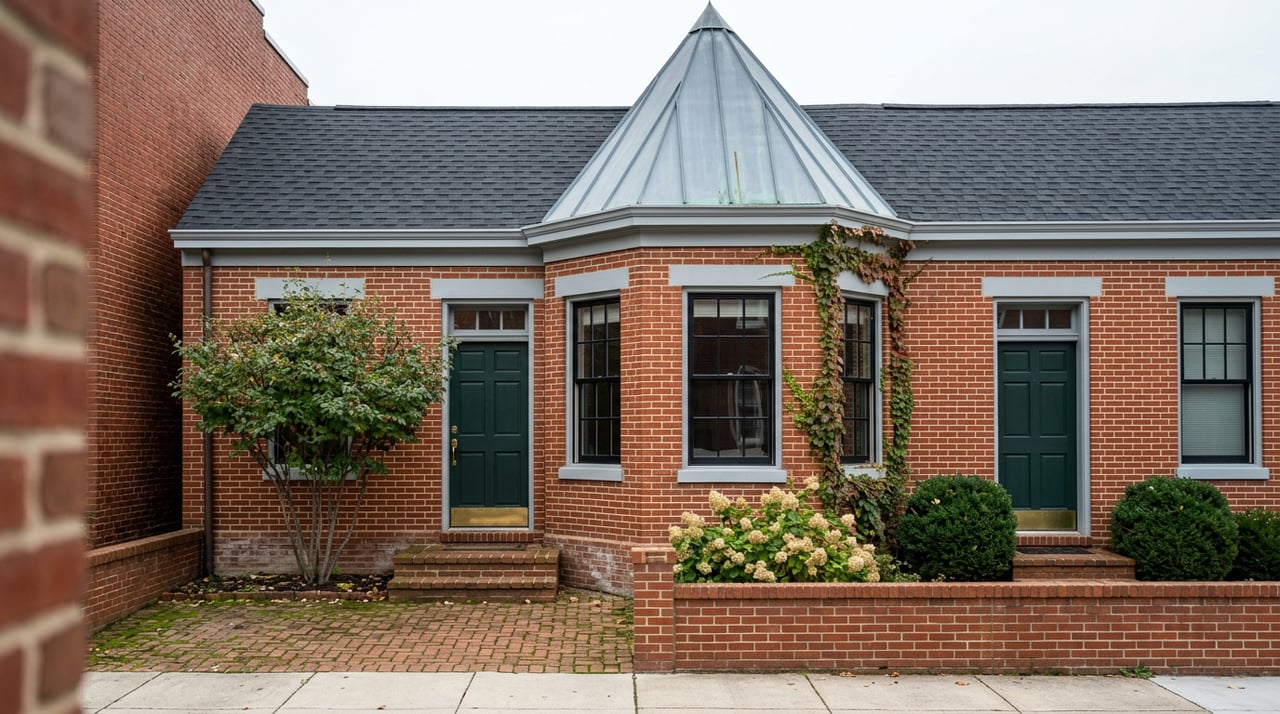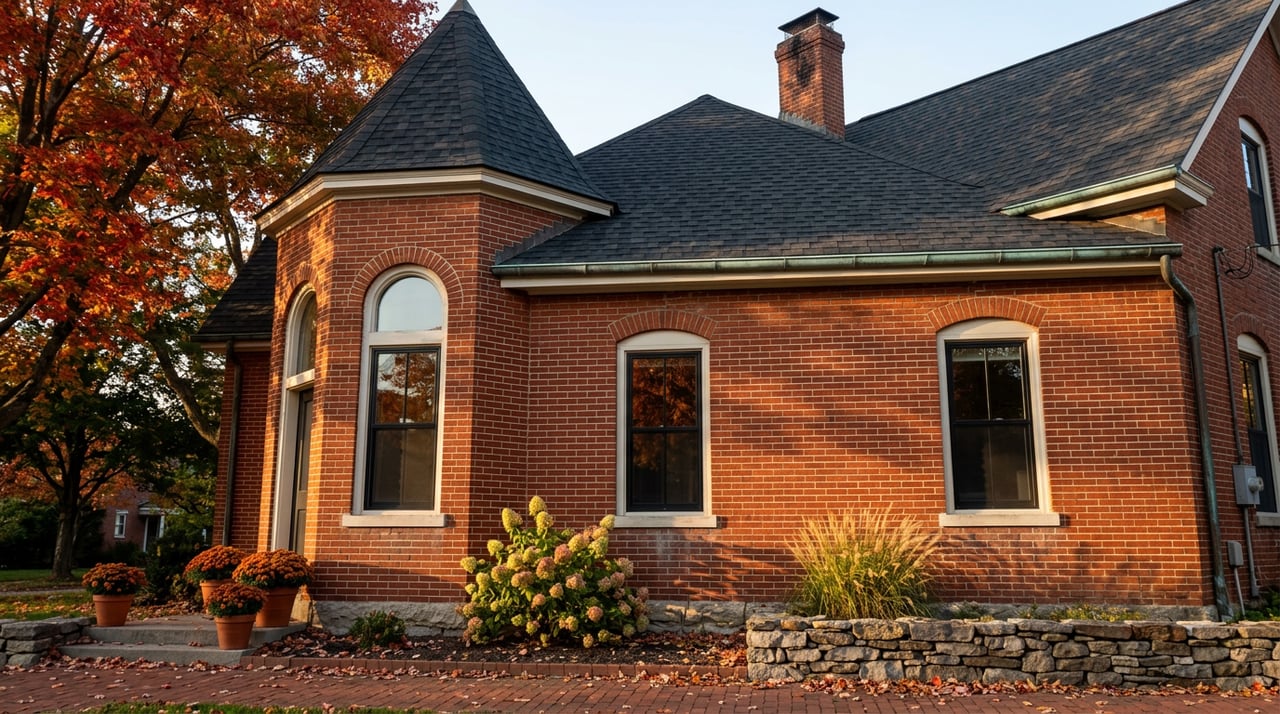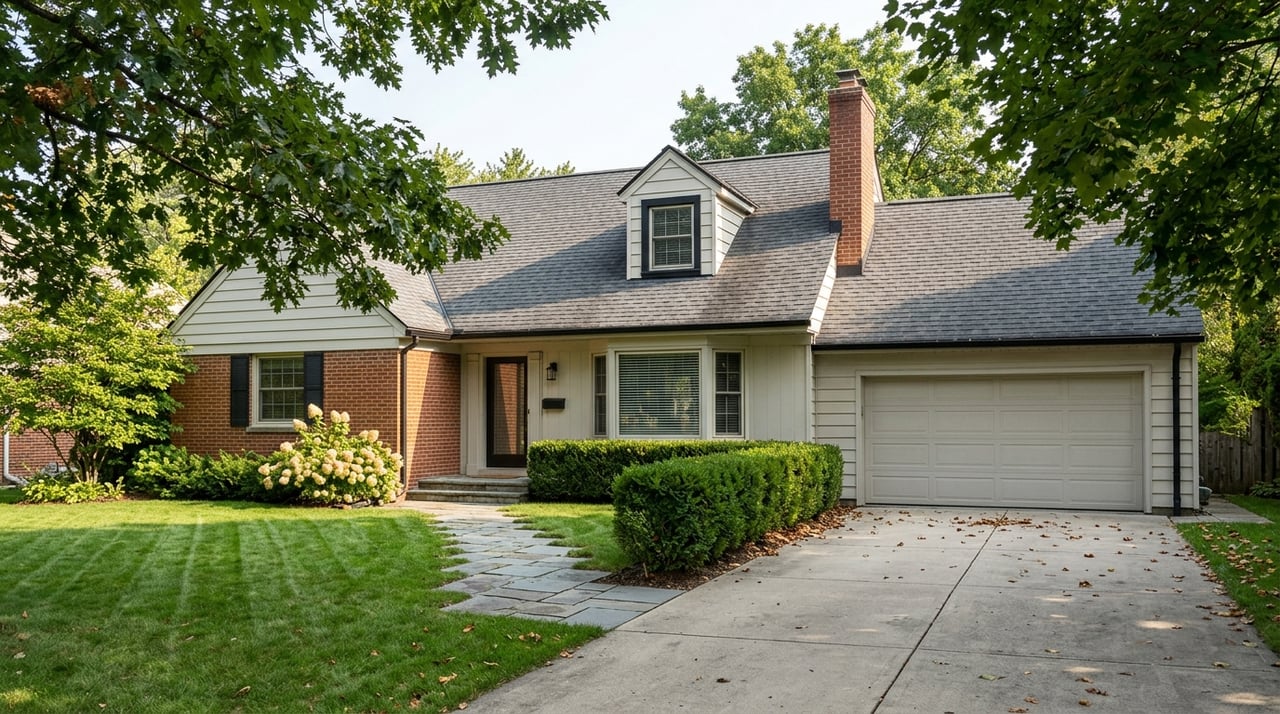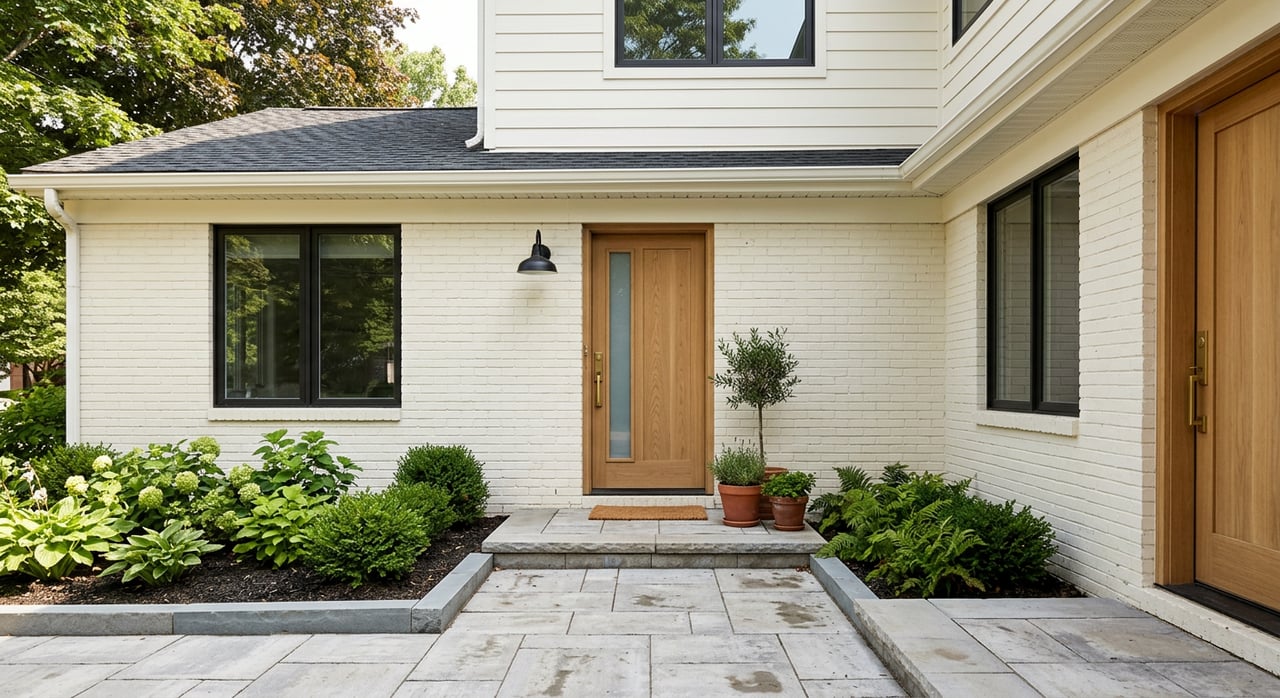
Thinking about a simpler way to live close to trails, restaurants, and SUNY New Paltz? A condo or townhome could give you the low‑maintenance lifestyle you want with a walkable village vibe. You may also be weighing costs, HOA rules, and what you actually own when you buy attached housing. In this guide, you’ll get clear answers on ownership types, monthly budgets, financing, local rules, and a step‑by‑step checklist to shop confidently. Let’s dive in.
Why New Paltz condos appeal
You get a compact, lively village center with shops and dining along Main Street plus year‑round outdoor access on the Wallkill Valley Rail Trail, Mohonk Preserve, and the Shawangunk Ridge. These perks make New Paltz a fit for downsizers, first‑time buyers, and second‑home seekers who value convenience and recreation. For a quick feel for what draws people here, explore these top things to do in New Paltz.
On pricing, recent regional snapshots suggest attached homes often trade below many single‑family options. One December 2025 report shows a median townhome around 470,000 dollars and a median condo around 465,000 dollars, though other trackers report different medians based on method and date. Use a live MLS pull for the most current figure, since sources vary. You can review the cited snapshot in the PWAR Market Indicators Report.
You’ll find older complexes from the 1970s to 1990s alongside small new infill communities, including recent net‑zero townhomes. New construction can carry different governance and developer control periods, so your review steps may differ from older HOAs. See a local overview of proposed net‑zero townhomes on Hudson Valley One.
Condo vs. townhome: what you own
Condominium ownership typically gives you a deed to the interior of your unit plus an undivided share of common elements. An association manages exterior maintenance and common areas and collects monthly common charges. New York’s Condominium Act, Article 9‑B of the Real Property Law, establishes key rights and duties for owners and boards.
Townhomes describe the building style, not the legal ownership. In New Paltz, a “townhouse” might be fee‑simple ownership of the home and lot, or it might be a condo form where the association maintains the exterior. Always confirm legal structure in the declaration and deed before you write your offer. For more background on how condos work for buyers, review NAR’s condo overview.
What to budget each month
HOA or common charges
Your monthly fee funds exterior care and shared services. In New Paltz, sample listings checked in March 2026 showed HOA ranges like these: Village Arms around 366 to 452 dollars per month, Orchard Heights around 399 dollars, Briarwood Court roughly 230 to 315 dollars, and some new net‑zero townhomes in the low 300s. Each community structures fees differently, so confirm a written list of inclusions like heat, hot water, water and sewer, snow removal, trash, landscaping, exterior repairs, management, master insurance, and reserve contributions.
Property taxes
You pay property taxes based on your unit’s assessed value and local rates. Taxes are separate from HOA dues. If you qualify, New York’s STAR program can help reduce school tax burden. Compare options on the Ulster County STAR page.
Insurance
Most condo buyers carry an HO‑6 policy that covers interior finishes, personal property, and liability. The HOA’s master policy covers common elements and sometimes parts of the interior, depending on whether the master policy is “bare walls in” or “all in.” Ask for the association’s declarations page, then match your HO‑6 limits accordingly. This plain‑English insurance guide explains the differences at a high level.
Utilities and extras
In some New Paltz complexes, heat or hot water is included. In others, you pay utilities separately. Always verify what is included in the fee and what you will carry on your own.
Financing essentials for condos and townhomes
Condo financing adds a layer of project review on top of your personal pre‑approval. Lenders and programs like FHA and VA look at owner‑occupancy ratios, reserve funding, commercial space, delinquency levels, and litigation. If you plan to use FHA or VA, check project approval status early and ask your lender about spot approvals. See NAR’s financing considerations for condos for an overview.
Association finances matter to loan approvals and your future costs. Well‑funded reserves reduce the chance of large special assessments and can make underwriting smoother. Industry guidance from CAI encourages communities to maintain professional reserve studies and adequate funding. Learn more about reserve requirements and funding and what a reserve study should include.
Local rules and risk checks to know
Short‑term rental rules
New Paltz regulates rentals, and many HOAs have their own rental caps or approval processes. The Village prohibits most non‑owner‑occupied short‑term rentals in residential zones, while the Town has registration rules and treats some rentals differently. If you plan to rent short‑term, review HOA rules and check both the Village and Town codes before you list. Start with the municipal code portal for New Paltz on eCode360.
Flood zones and insurance
Check FEMA’s Flood Map Service Center for the property’s flood zone before you buy, since lenders can require flood insurance for certain zones. Factor premiums into your monthly budget as needed. Begin your check at the FEMA Flood Map Service Center.
Transit and access
For commuters and car‑light lifestyles, New Paltz connects by bus to regional hubs and to the Poughkeepsie/Metro‑North corridor. Ulster County continues to refine UCAT routes that include New Paltz. See recent UCAT service updates.
How to evaluate a New Paltz community
Use this checklist once you find a place you like. It will help you compare HOA health, rules, and true carrying costs.
Ask for these documents
- Declaration, bylaws, and rules and regulations in full. A buyer‑friendly overview of board and owner issues is available from the NY Attorney General’s office.
- Current year budget and the prior three years’ budgets. Look for stable dues and planned reserve contributions. See CAI’s note on reserve funding.
- The most recent reserve study and the current reserve balance. If there is no study or the study is old, flag as a risk. Review CAI’s reserve study standards.
- Board meeting minutes for the last 12 to 24 months. Scan for recurring repair items, special assessments, or litigation updates.
- Master insurance policy declarations and certificates that show what is covered and deductibles. Use this insurance explainer to frame questions.
- Written rules on rentals, subletting, and pets. Then verify New Paltz municipal rules via eCode360.
On‑site questions to ask
- What is included in the monthly fee, line by line, and what is the schedule for fee increases.
- Ages and recent replacement dates for roofs, siding, boilers, and paving. Ask who pays for upcoming capital projects and whether reserves cover them.
- Owner‑occupancy ratio and rental frequency. Many lenders look for certain owner‑occupancy levels when underwriting condos, as noted by NAR.
- Management structure. Is the HOA self‑managed or professionally managed, and how stable is that relationship.
- Reserve strength. Is there a recent reserve study, and what percent funded are reserves.
Red flags to pause on
- No reserve study or very low reserve balances.
- Repeated or large special assessments without clear funding plans.
- High delinquency rates or pending litigation in the minutes.
- HOA rules that conflict with your intended use, such as short‑term rental bans for non‑owner units.
- Master insurance with very high deductibles or unclear scope.
Local fee examples at a glance
To illustrate the range, here are sample HOA figures from listings checked in March 2026. Treat these as examples only. Always verify the current budget and inclusions before you offer.
- Village Arms Condominiums: approximately 366 to 452 dollars per month, with some listings noting heat and hot water included.
- Orchard Heights: approximately 399 dollars per month, with several utilities and exterior care listed as included.
- Briarwood Court: approximately 230 to 315 dollars per month depending on unit specifics and inclusions.
- New net‑zero townhomes on Cooper Street: HOA quoted in the low 300s per month in recent offering materials.
Smart next steps
- Get pre‑approved for a mortgage and tell your lender you are shopping condos or townhomes so they can plan for HOA review and program rules. See NAR’s condo guidance.
- Ask for the HOA resale package and read the declaration, budget, reserve study, and the last 12 months of minutes. The NY Attorney General’s guide explains why this matters.
- If you need FHA or VA financing, confirm project approval early to avoid delays. Reference NAR’s overview for the basics.
- Check the property’s flood zone on the FEMA Flood Map Service Center, then get an HO‑6 insurance quote after you review the master policy.
- For second‑home buyers, verify HOA rental limits and the Village and Town rules on short‑term rentals at eCode360 before you advertise.
You deserve clear guidance tailored to your goals, whether you want a quiet base steps from the rail trail or a low‑maintenance second home near the Ridge. If you are comparing New Paltz condos and townhomes, let’s talk through the options, fees, financing, and HOA health so you can buy with confidence. Reach out to Jennifer Mangione - Grist Mill Real Estate to start a focused search.
FAQs
What is the difference between a New Paltz condo and a fee‑simple townhome?
- A condo gives you ownership of the unit interior plus a share of common areas under an HOA, while a fee‑simple townhome usually means you own the home and land and may handle more exterior maintenance; always confirm structure in the governing documents and New York’s Condominium Act.
How much are typical HOA fees for New Paltz condos and townhomes?
- Sample listings checked in March 2026 show a broad range, roughly low 200s to mid 400s per month for older complexes and low 300s for some new builds, but each community’s inclusions differ, so verify the current budget and line items.
Can you do short‑term rentals in a New Paltz condo or townhome?
- Many HOAs limit rentals, and the Village and Town regulate short‑term rentals differently; check your HOA rules and the municipal code via eCode360 before you plan any rental activity.
Are FHA or VA loans available for New Paltz condos?
- Possibly, but condo projects must meet program criteria or obtain spot approval; confirm approval status with your lender early and review NAR’s condo financing basics.
What insurance do New Paltz condo buyers need?
- Most condo buyers carry an HO‑6 policy for interior finishes, belongings, and liability, coordinated with the HOA’s master policy; review the master declarations and use a simple insurance explainer to set limits.
Are condos more affordable than single‑family homes in New Paltz?
- Recent regional data shows attached homes can trade at lower medians than many single‑family options, but medians vary by source and date; review a live MLS pull and the PWAR snapshot for context.