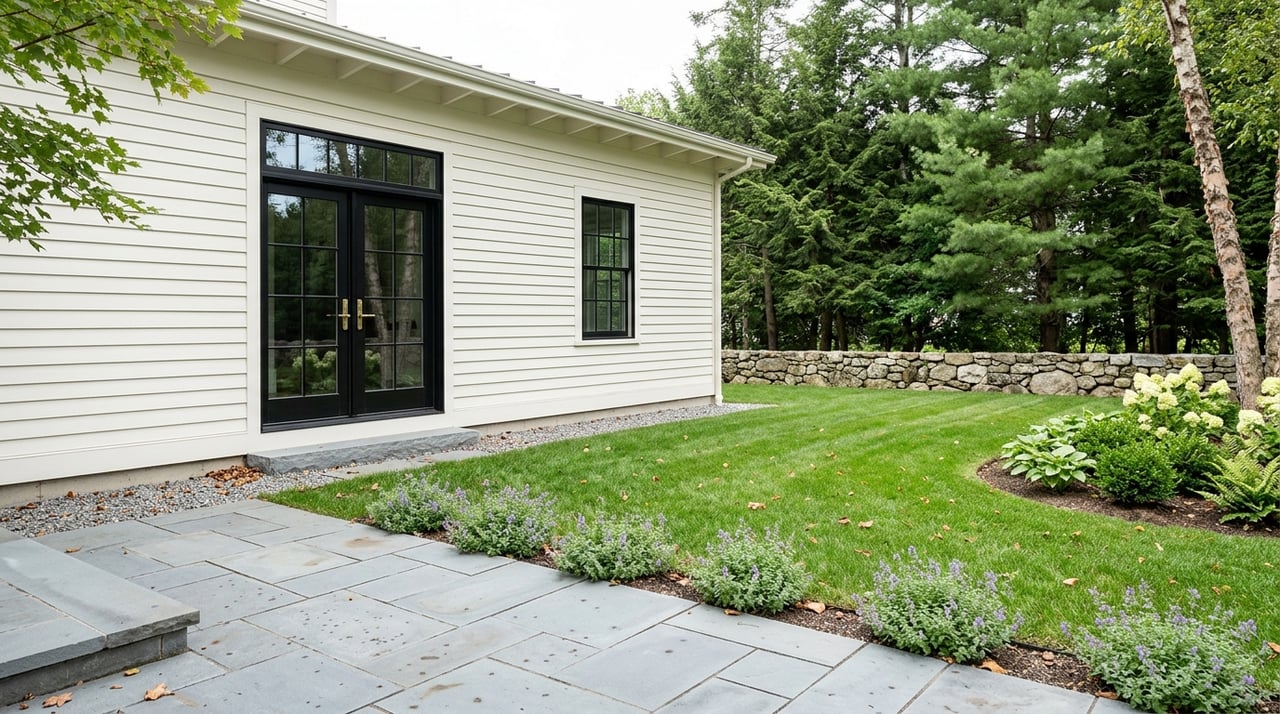
If you are torn between a home in Catskill Village and a place out in the countryside, you are not alone. Many buyers love the idea of walkable streets and historic character, but they also picture open land, privacy, and room to spread out. The good news is that Catskill offers both, and your best fit usually comes down to how you want to live day to day. Here is how to compare the two so you can search with more confidence. Let’s dive in.
Catskill Village and countryside differ fast
A key first step is knowing that the Village of Catskill and the surrounding Town of Catskill are not the same thing. The village is the incorporated, denser core inside the town. In practical terms, that means you can see very different lot sizes, utility setups, and rules depending on which side of that line a property sits.
The village is the older, more compact part of Catskill. Local planning documents point to Main Street and the waterfront as focal areas, with pedestrian-friendly design, mountain views, open-space vistas, and Hudson River access shaping the experience. If you want a more in-town feel, this is often where your search begins.
Outside the village, the landscape opens up quickly. You may find larger parcels, more separation from neighbors, and more properties with private well and septic systems. For many buyers, that shift changes both lifestyle and maintenance in a big way.
What village living often feels like
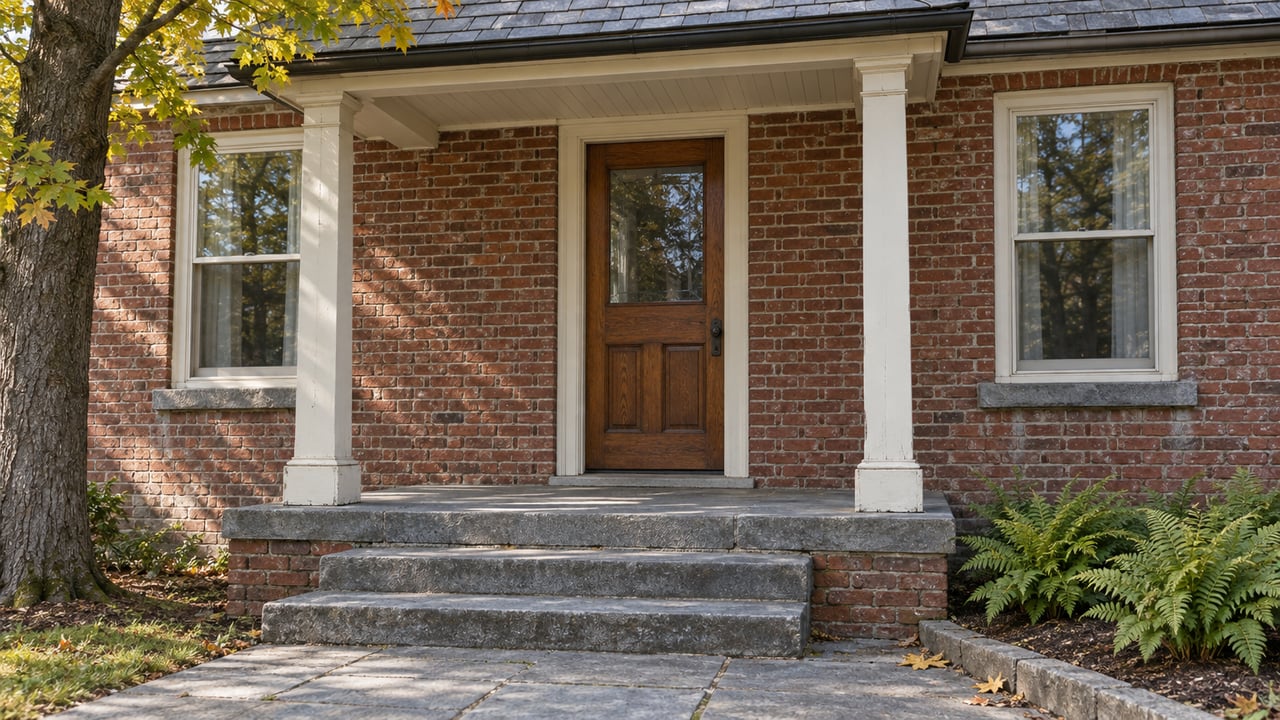
Village living usually appeals to buyers who want convenience and character. You may be closer to Main Street, restaurants, shops, and civic amenities, with less land to maintain. If your ideal routine includes being able to get around town more easily and enjoy a compact setting, the village can be a strong fit.
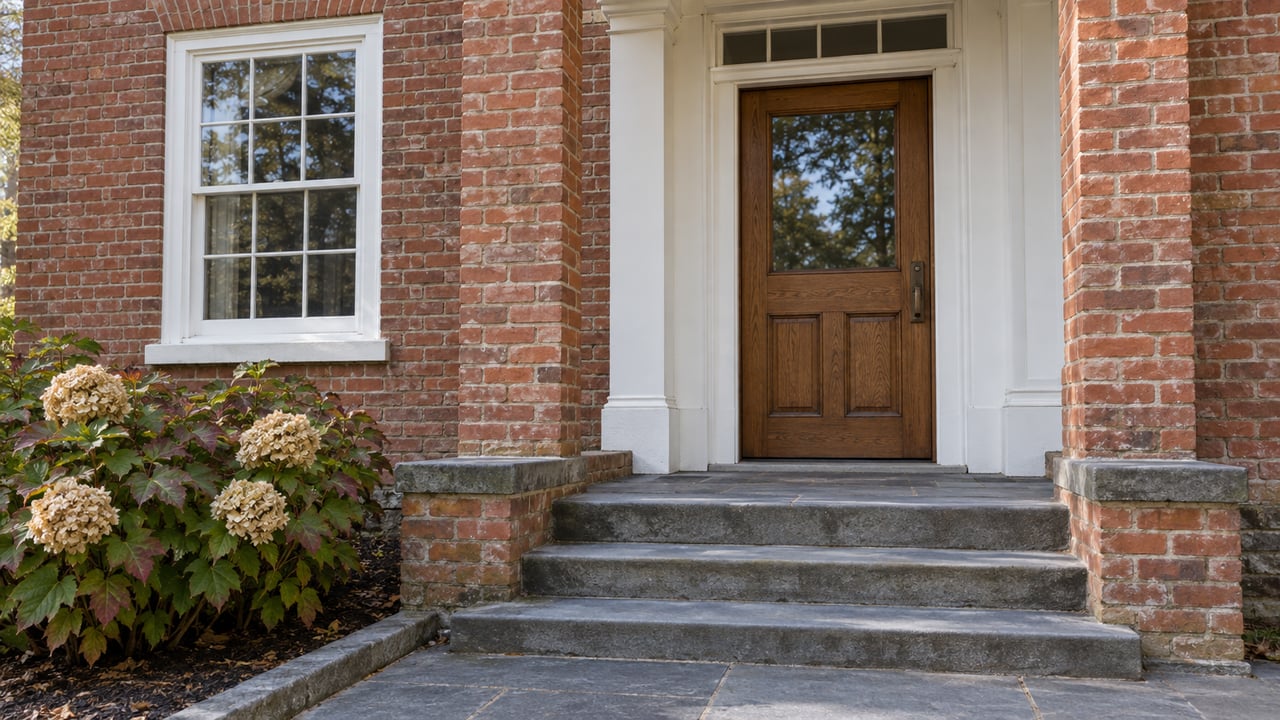
Housing stock in the village also tends to include more historic homes and smaller lots. Recent examples in the village range from lots of about 2,614 square feet to 7,840 square feet, with many properties well under a quarter acre. That means your budget may be influenced more by location, condition, and building type than by yard size alone.
Village pricing can vary widely. Current and recent examples cited in the market range roughly from $50,000 for a village property to more than $1 million, with other examples around $515,000 and $675,000. That spread shows why it helps to compare each home on its own merits instead of assuming all village homes fit one price point.
Village rules matter more
The trade-off for village convenience is often more regulation. In the Village of Catskill Historic District, some exterior work may require permits, including painting, windows, and siding. If you are dreaming about a quick exterior makeover, this is a detail worth checking before you buy.
The village also has stricter standards for some outdoor uses. Chickens require at least one-half acre, and other livestock require at least two acres. On a typical compact village lot, that can limit what is realistic.
Village lot sizes are compact
The village zoning pattern supports smaller parcels than the rural parts of town. The village comprehensive plan summary lists minimum lot sizes of 12,500 square feet in R-1 and 6,000 square feet in R-2 and R-3. Even when a property fits the zoning, you may still have less yard space, less parking, and fewer options for large outdoor additions than you would outside the village.
What countryside living often feels like
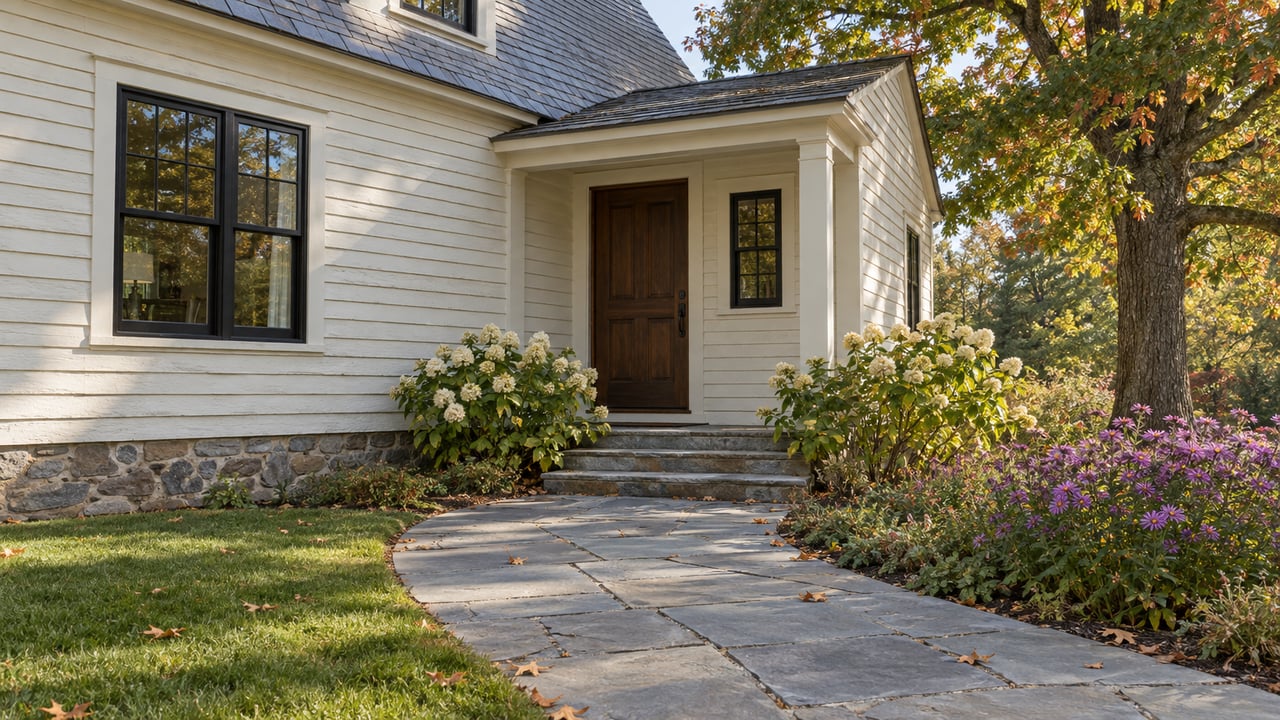
If you picture privacy, views, and more usable land, the countryside may be the better starting point. Buyers outside the village often trade walkability for open fields, wooded settings, and more separation from nearby homes. That can be appealing if you want space for gardening, outdoor recreation, or simply a quieter setting.
Parcels outside the village get larger quickly. Recent examples include a home on 5.5 acres with private well and septic, plus land parcels of 4.8 acres and 26.7 acres. Those kinds of properties can offer flexibility that is harder to find in the village core.
That said, living outside the village does not always mean buying a huge tract of land. Recent examples in the town also include a 0.43-acre active lot on Route 9W and a 0.30-acre home on Cottontail Lane. If you want a little more breathing room without taking on major acreage, that middle ground may exist.
Rural zoning supports larger lots
The Town of Catskill regulates land differently from the village. In the rural-residential district, minimum lot size starts at 1.5 acres without public water or sewer, 1.0 acre with one utility, and 0.5 acre with both. Those standards help explain why countryside properties often feel more spread out.
The town comprehensive plan also notes that a 1.5-acre development pattern can support sprawl and higher infrastructure costs. For buyers, the takeaway is simple: more land can bring more freedom, but it can also bring more responsibility and more systems to maintain.
Utilities can look very different
One of the biggest ownership differences is utilities. In the village, listings are more likely to have public water and public sewer. Outside the village, private well and septic systems are more common, and those systems come with their own maintenance needs.
Rates can also differ when municipal service is involved. On the Village of Catskill rate sheet effective July 1, 2025, water for 0 to 10 units is listed at $4.21 per unit inside the village versus $8.49 per unit outside the village, and sewer is $4.03 versus $4.83. If you are comparing monthly ownership costs, this is worth adding to your budget review.
What the current market suggests
The broader Catskill market does not appear to be moving at a breakneck pace right now. Redfin reports a median sale price of $288,000 last month, homes selling about 5% below list, and pending in around 92 days. Realtor.com reports 77 homes for sale, a median list price near $499,900, median days on market of 99, and a sale-to-list ratio of 98%.
For buyers, that can mean more room to compare options and ask better questions before making a decision. Instead of rushing into village or countryside inventory based on a general idea, you may have time to focus on what really fits your routine, your budget, and your long-term plans.
How to decide where to start
A simple rule of thumb works well in Catskill. Start in the village if you care most about walkability, historic character, and a smaller yard to maintain. Start in the town’s rural settings if you care most about acreage, privacy, and more flexible outdoor use.
If you are still unsure, think about your weekly habits instead of your wish list. Do you want to spend weekends maintaining land, or would you rather have a smaller property and easier in-town access? Do you want room for hobby uses, or would you rather prioritize proximity to Main Street and the waterfront?
Here is a quick way to frame the choice:
| If you value... | Start looking at... |
|---|---|
| Walkability and in-town routine | Catskill Village |
| Historic character | Catskill Village |
| Smaller yard and less exterior upkeep | Catskill Village |
| Privacy and wider spacing | Countryside properties |
| Acreage and outdoor flexibility | Countryside properties |
| Open fields, woods, or broader views | Countryside properties |
Questions to ask before you offer
No matter which area you prefer, the right questions can save you time and frustration later. Catskill buyers should confirm exactly how a property is classified and what that means for future plans.
Ask these questions on every tour:
- Is the property inside the Village of Catskill or outside it in the Town of Catskill?
- Which zoning district applies, and what is the minimum lot size for that district?
- Is the home in a historic district or subject to exterior review before remodeling?
- Are water and sewer municipal, or does the property rely on a well and septic system?
- If you want chickens, gardens, a pool, or an addition, does the lot size and zoning support that use?
- For out-of-village properties, what should you know about posted water and sewer rates, road access, and winter driveway obligations?
The right answer is not always village versus countryside in a broad sense. It is often one specific property that matches the way you want to live and the level of upkeep you want to take on.
If you want help sorting through Catskill options, local guidance can make the search feel much clearer. Jennifer Mangione - Grist Mill Real Estate offers hands-on support for buyers who want practical advice, thoughtful comparisons, and a steady local perspective.
FAQs
What is the difference between Catskill Village and the Town of Catskill?
- The Village of Catskill is the incorporated village inside the Town of Catskill, and the two areas often differ in density, zoning, lot sizes, and utility setups.
Are lot sizes smaller in Catskill Village?
- Yes, village lots are often compact, with recent examples ranging from about 2,614 to 7,840 square feet, while rural properties outside the village can be several acres.
Do Catskill Village homes have more remodeling rules?
- They can, especially in the Historic District, where exterior work such as painting, windows, and siding may require permits.
Are utilities different outside Catskill Village?
- Yes, village homes are more likely to have public water and sewer, while countryside properties often rely on private well and septic systems.
Is buying in the Catskill countryside always more expensive?
- Not necessarily, because prices vary by location, condition, lot size, and property type, and not every out-of-village property sits on large acreage.
Should you start your Catskill home search in the village or the countryside?
- A good rule of thumb is to start in the village if you want walkability and historic character, and start in the countryside if you want privacy, acreage, and more flexible outdoor use.