Are you seeing “hamlet” in Saugerties listings and wondering what that really means for your search? You are not alone. Choosing between riverfront pockets, village streets, and foothill hideaways can feel overwhelming when you are not sure how areas differ. This guide breaks down what a hamlet is in New York, how Saugerties is laid out, and what to expect from each area so you can focus your search with confidence. Let’s dive in.
What “hamlet” means in New York
A hamlet in New York is an unincorporated community inside a town. It has no separate government. The Town of Saugerties and Ulster County handle zoning, permits, code enforcement, water and sewer policy, and emergency services unless a special district is in place. This can influence your permitting timeline, utilities, and local taxes.
By contrast, a village has its own municipal government. The Village of Saugerties sits within the Town of Saugerties and offers walkable amenities and municipal services in many areas.
You may also see hamlet names used informally. Some are Census‑Designated Places with defined boundaries, and some are simply long‑used local place names. When you narrow in on a property, confirm boundaries and service districts with the town assessor or county GIS so you know exactly what rules and services apply.
How Saugerties is laid out
Saugerties sits on the east bank of the Hudson River where Esopus Creek meets the river. The Village clusters along the creek and acts as the everyday hub for shops and services. From there, several hamlets run along the Hudson, while others stretch inland toward the Catskill foothills.
- River proximity: Areas on or near the Hudson can offer scenic views and access. They can also bring floodplain considerations. Flood insurance and elevation details are important for riverfront homes.
- Catskills proximity: Western hamlets rise toward the foothills and reach trailheads and ski areas more quickly. Depending on the hamlet and destination, drives to mountain recreation typically range from about 20 to 50 minutes.
- Getting around: NY‑32 and NY‑212 are the main travel spines. There is no direct Metro‑North station in Saugerties. Many commuters drive to regional rail in Poughkeepsie or Rhinecliff, use Kingston‑area transit, or head to Thruway park‑and‑rides.
Saugerties hamlet profiles
Local usage can vary, so think of the areas below as common references used by residents and in listings. Always verify a specific address with the Town of Saugerties or Ulster County GIS.
Village of Saugerties (incorporated)
Feel: Walkable Main Street energy along Esopus Creek, with restaurants, shops, galleries, and year‑round events. Historic streets and a compact downtown draw both locals and visitors.
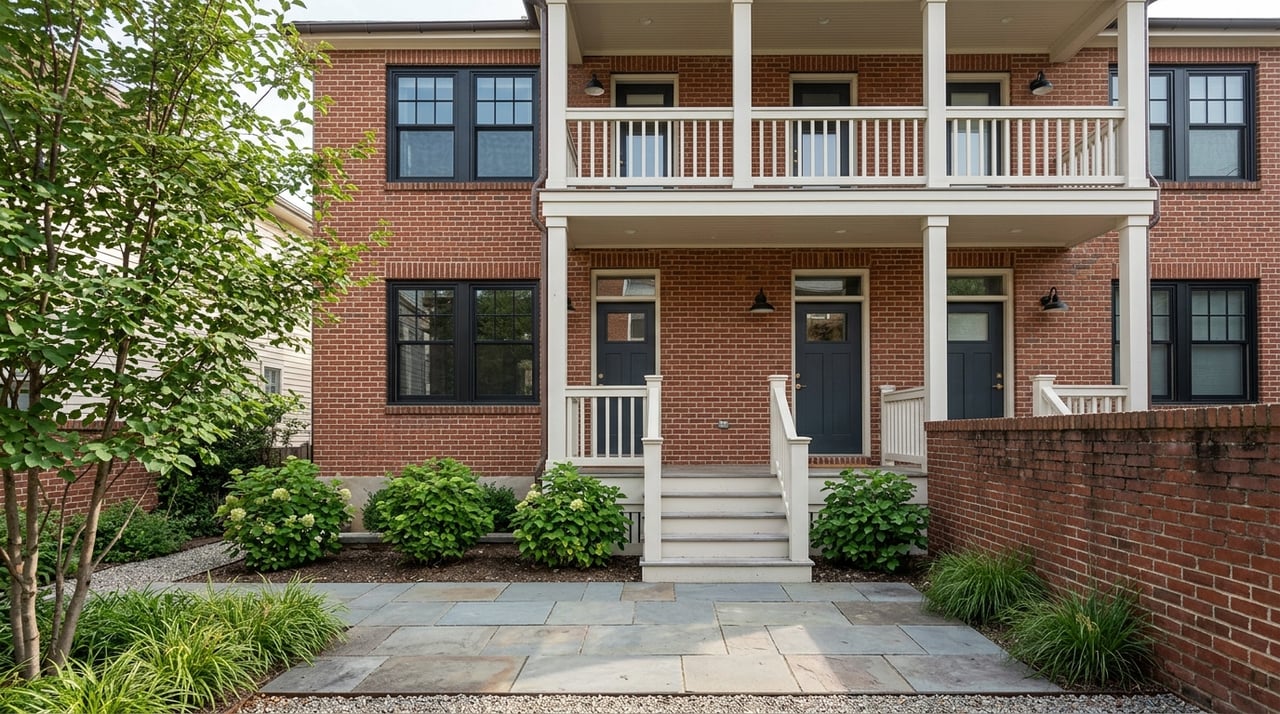
Typical housing: 19th‑ and early‑20th‑century single‑family homes, row and free‑standing houses, Colonial and Victorian styles, attached duplexes, small apartment buildings, and a few renovated industrial lofts. Lots are smaller than in rural hamlets.
Orientation: Central location with the broadest access to municipal sewer and water in many parts, plus easy walking to services.
Malden‑on‑Hudson (Malden)
Feel: A small, quieter river hamlet north of the Village with residential streets and occasional river views.
Typical housing: Older cottages, modest single‑family homes, and some converted industrial or boathouse‑style properties. You may see seasonal homes along the river.
Orientation: River proximity can be a draw. Confirm flood zones and note that utilities may vary by parcel, including possible well and septic.
Glasco
Feel: South of the Village on the Hudson shoreline, Glasco has an industrial and boatbuilding past with a growing residential feel. Streets are quieter and more dispersed.
Typical housing: Small single‑family homes, older river cottages, and some industrial‑era buildings adapted to residences or studios.
Orientation: Riverfront exists in places. As with other shoreline pockets, review flood risk and access.
Lake Katrine / Mount Marion area
Feel: Inland and closer to the NY‑32 corridor and the Kingston line. The area feels more suburban and commuter‑oriented.
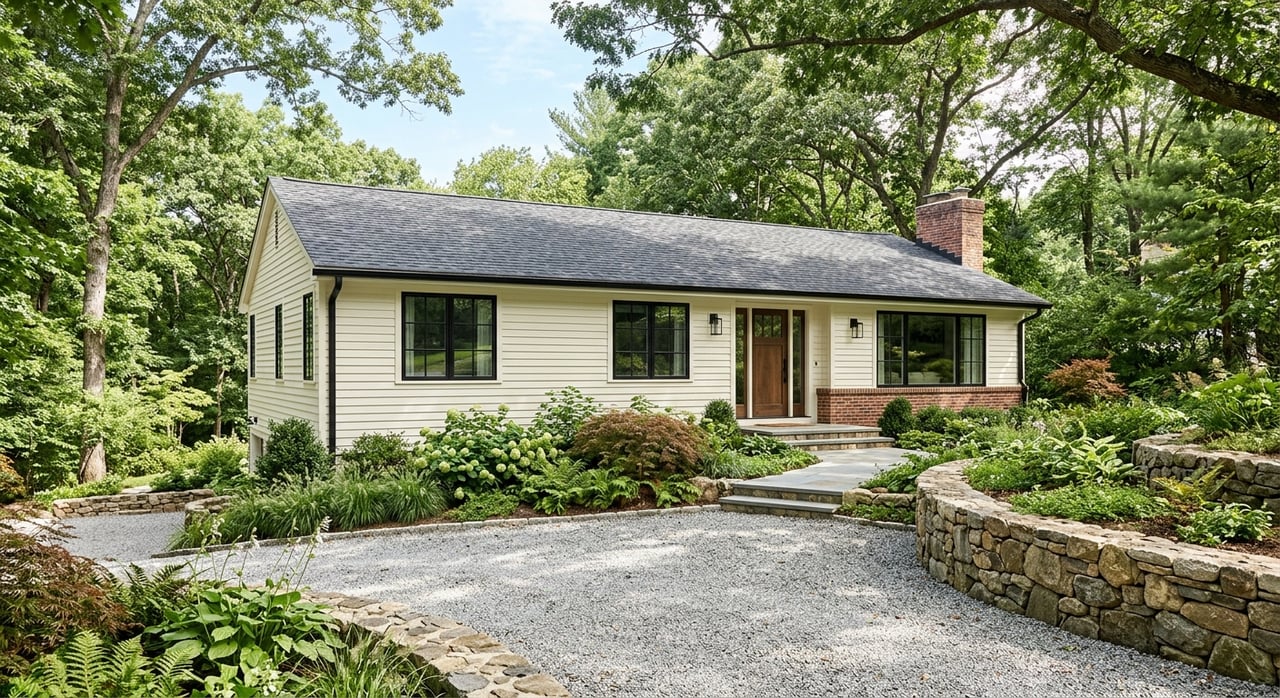
Typical housing: Mid‑century ranches and colonials on modest lots, bungalow‑style homes, and some newer subdivisions.
Orientation: Easier highway access and typically less flood exposure than riverfront hamlets.
Eddyville / South Saugerties / Route 212 corridor
Feel: Rural, with farms, woodlands, and lower density. Small hamlet clusters sit along the main roads.
Typical housing: Larger lots, single‑family farmhouses, ranches, modular homes, and properties with outbuildings. On‑site wells and septic are common.
Orientation: Quicker reach to the western foothills and Catskill recreation, longer drives to downtown services.
West Saugerties and inland foothill hamlets
Feel: Rural and cottage‑country character near the Catskill foothills. Many buyers choose this area for privacy, views, and access to trails and open space.
Typical housing: Larger parcels, renovated farmhouses, camps, and second‑home‑style cottages. Some pockets include seasonal properties.
Orientation: Shorter drives to hiking and ski areas, longer to grocery stores and Village amenities.
Smaller local place names
You will hear micro‑neighborhood names based on old stations, crossroads, or road clusters. Agents and locals use these frequently. Treat them as helpful shorthand and always cross‑check the parcel, tax map, and service districts for details that could affect your purchase.
What varies by hamlet when you buy or sell
Utilities and infrastructure
- Sewer vs septic: The Village has the broadest municipal sewer coverage. Many hamlet homes use private septic systems. The age, capacity, and condition of the system matter and can drive deal terms.
- Water: Many properties outside the Village rely on private wells. Review water quality reports and well logs, especially for older wells.
- Broadband: Service levels vary. In rural areas, confirm wired high‑speed availability for a specific address.
Flood risk and insurance
Riverfront and low‑lying parcels may sit in FEMA‑mapped floodplains. Ask for elevation information, review flood maps, and price out insurance early. Flood premiums can affect monthly budgets and should be part of your affordability check.
Zoning, building, and land use
Most zoning and permit decisions run through the Town of Saugerties. Historic areas within the Village or properties with conservation restrictions can have extra review for exterior changes or subdivision. For land or renovation plans, build your timeline around these steps.
Schools
Most of the Town of Saugerties is within Saugerties Central School District. Always verify the assigned schools by parcel before you write an offer.
Property taxes and assessment
Taxes vary by lot, school district, and whether a property sits in any special district, such as water, sewer, or fire. Request the current tax bill and ask about any district charges so you have the full picture.
Market patterns to expect
- Village and riverfront: Often trade at a higher price per square foot given walkability and views.
- Rural hamlets: Usually offer more land and privacy. They can deliver a lower price per square foot but may carry higher ownership costs for septic, wells, and access.
Commutes and regional travel
Most residents drive to rail in Poughkeepsie or Rhinecliff, use Kingston‑area bus options, or head to Thruway park‑and‑rides. Your commute time can change meaningfully based on hamlet choice, so test the drive at peak times.
Plan your Saugerties home search
Use the steps below to stay focused and avoid surprises.
- Start with the map
- Decide if you prioritize walkable Village life, Hudson River access, or being closer to Catskill trailheads. Map your target radius around those points.
- Cross‑reference listing addresses with town or county maps to confirm hamlet labels, service districts, and boundaries.
- Set smart filters
- Utilities: If you prefer municipal sewer or water, filter for those services and verify with the town where needed.
- Flood zone: If you are near the river or a creek, screen for flood zones and ask for elevation details.
- Lot size and privacy: In rural hamlets, consider driveway length, plowing needs, and outbuilding plans.
- Commute time: Test your specific route to rail hubs, schools, and frequent destinations.
- Do property‑level checks
- Septic and well: Ask for age, service records, and capacity. Budget for inspections.
- Broadband: Confirm provider coverage for the exact address.
- Zoning fit: If you plan to add a studio, short‑term rent, or subdivide, review town rules early.
- Get a feel for the area
- Use listing photos and street‑level imagery to preview the block, then drive the hamlet at different times of day.
- In river hamlets, look at elevation changes and public access points. In foothill areas, test winter access routes.
- Build your local file
- Keep notes on school assignment, tax districts, water or sewer districts, and any flood data for each address you tour.
Local highlights and everyday life
- Village Main Street: Restaurants, shops, galleries, and community events anchor daily life for many hamlet residents.
- Opus 40: A renowned outdoor stone sculpture and cultural site within the town that draws visitors and locals alike.
- Equestrian and event venues: Major horse show events have been held in the area. Seasonal activities can increase visitor traffic and bring energy to local businesses.
These shared touchpoints connect the hamlets, whether you live by the river, in the Village, or near the foothills.
Ready to compare hamlets with a local guide?
If you want walkable streets, a riverside perch, or a quiet foothill lane, Saugerties has a place that fits. As a Main Street brokerage serving neighbors here since the 1970s, we pair deep local memory with modern marketing to help you buy with clarity. When you are ready to explore homes by hamlet and budget, reach out to Jennifer Mangione at Jennifer Mangione - Grist Mill Real Estate for a friendly, focused plan.
FAQs
What does “hamlet” mean for Saugerties homebuyers?
- In New York, a hamlet is an unincorporated area within a town without its own government, so town and county handle zoning, permits, and most services.
Which Saugerties area is most walkable to shops and dining?
- The Village of Saugerties centers a compact Main Street with restaurants, galleries, and services, offering the most day‑to‑day walkability.
Which hamlets are closest to Catskill hiking and skiing?
- West Saugerties and inland foothill areas shorten the drive to trailheads and ski mountains compared with riverfront pockets.
Are riverfront Saugerties homes always in a flood zone?
- Not always, but many parcels near the Hudson or creeks fall within FEMA floodplains; check the specific elevation, map designation, and insurance needs.
How do I confirm if a property has municipal sewer or water?
- Ask the listing agent, review the town’s sewer and water district maps, and confirm with the town’s departments for the exact address.
Do property taxes differ by hamlet in Saugerties?
- Taxes vary by parcel based on assessment, school district, and any special districts such as water, sewer, or fire, so review the current tax bill for each property.