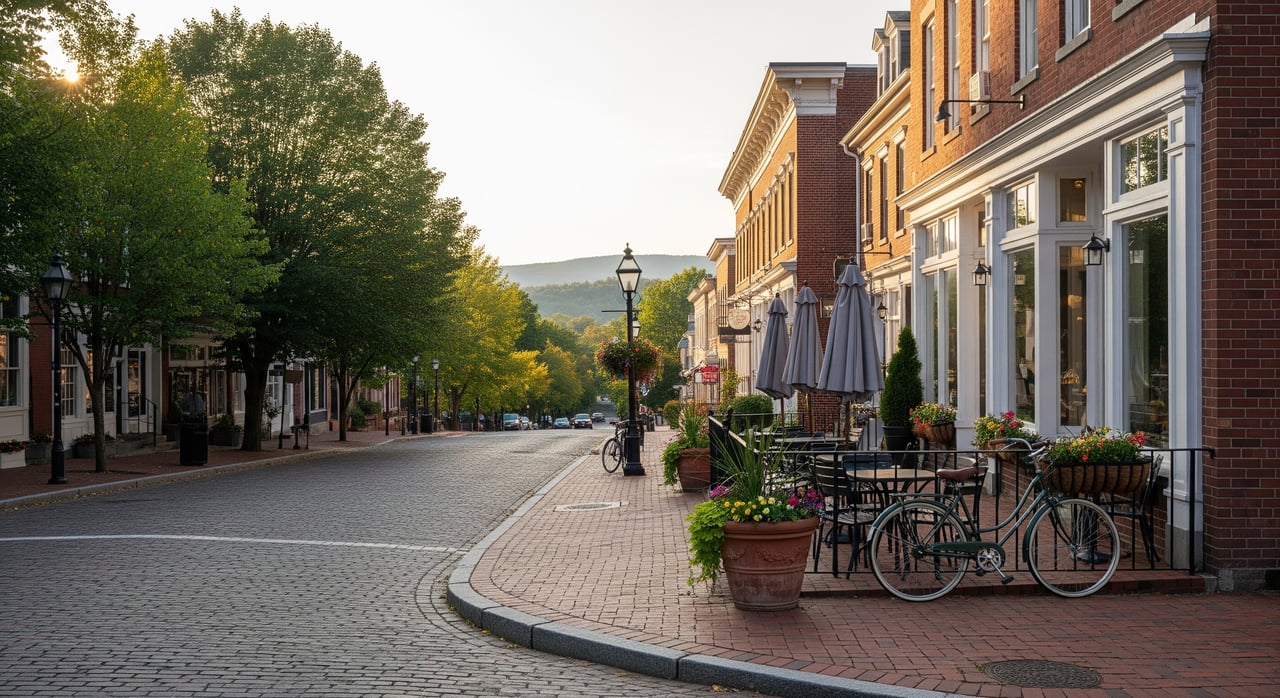
If you could park once and spend a full day on foot, would Saugerties Village deliver? If you are curious about small‑town rhythm with river views, historic charm, and easy errands, this guide is for you. You will see how a walkable day actually feels and what that means if you are thinking about buying here. You will also get practical notes on housing, commuting, and seasonality. Let’s dive in.
Morning on Main Street
Start your day with coffee and a quick bite at a local café. The village core feels close and human‑scaled, with storefronts that open right to the sidewalk. You can browse window displays, step into a bakery, and get your bearings without checking your phone every block.
As you stroll, notice the historic Main Street pattern. Saugerties grew around water‑powered mills along the Esopus Creek, which shaped the original street grid and building fronts. Narrow lots and mixed uses give you that classic walkable feel where upstairs apartments sit above shops and restaurants.
Midday by the water
From Main Street, it is an easy walk toward the Esopus waterfront and village green spaces. Cantine Veterans Memorial Park offers room to stretch, take in views, and catch a breather from the shops. On weekends in season, you may find a farmers market or small vendor events that add to the foot traffic and village energy.
For lunch, choose a casual spot on or just off Main Street. Outdoor seating often appears in warm months, and many places are within about 5 to 15 minutes of one another. If you have time, loop back through the side streets to appreciate the older residential blocks that sit close to downtown.
Afternoon culture nearby
In the afternoon, you can keep it local or venture a little farther. A short drive or bike ride brings you to Opus 40, a remarkable stone sculpture park that draws visitors from across the region. If you prefer to stay closer, check out small galleries and boutiques in the village core.
Another favorite is the Saugerties Lighthouse at the mouth of the Esopus Creek on the Hudson River. Access varies by season and schedule, but the setting offers a distinct sense of place. Families often mix in time at playgrounds or short nature walks between shopping breaks.
Sidewalks are typical of a historic downtown. Crosswalks are well placed, but some stretches are narrow and traffic is mixed. Parking can be tight during festivals and peak weekends, which is a good reason to arrive early and plan to walk.
Evening dining and music
Dinner leans relaxed and comfortable, with sit‑down restaurants and pubs clustered in and around Main Street. In summer, outdoor tables make it easy to people‑watch and linger. Nightlife is low‑key, often centered on live music at small venues or seasonal events.
A slow after‑dinner stroll is a perfect way to end the day. Lighted sidewalks and short distances let you linger without worrying about a long drive back to your car.
Is village life walkable?
The short answer is yes for daily leisure and many errands.
- Most shops, cafés, and restaurants cluster within about 5 to 15 minutes on foot.
- The village supports small grocery and specialty food options. Larger grocery stores are more common in nearby regional centers.
- Parks, river views, galleries, and seasonal markets are close enough to fold into a single outing.
- Expect more foot traffic and limited parking during event weekends. Winters are quieter and some businesses run reduced hours.
Buyer notes in a nutshell
If you are exploring a move, these practical points will help you frame the decision.
Housing types you will see
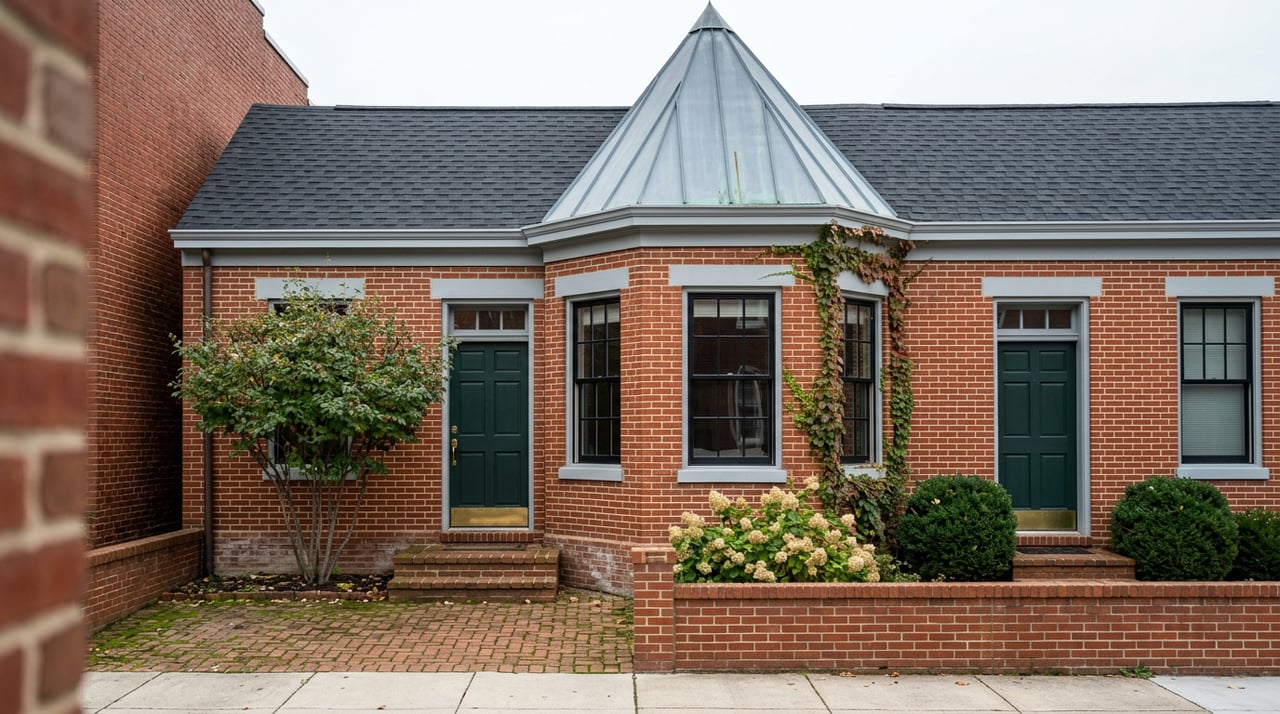
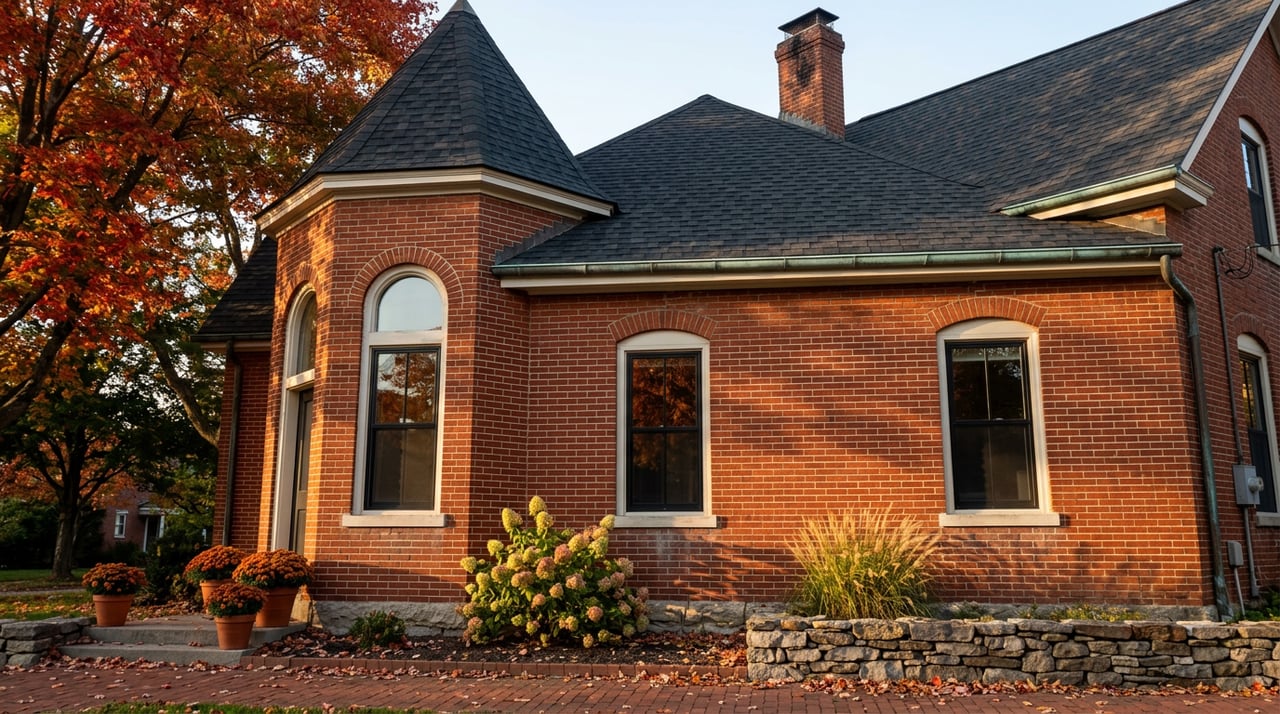
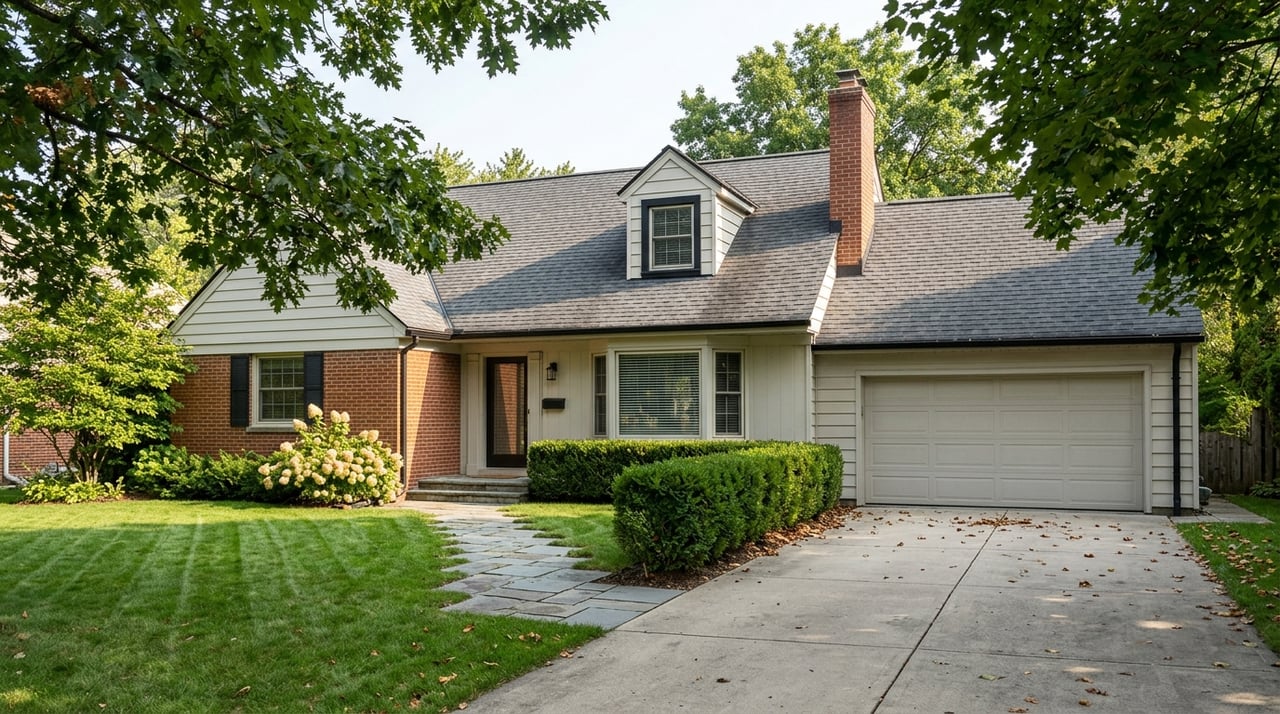
Village housing often includes older, sometimes historic homes on smaller lots, plus apartments above shops in the core. Nearby blocks feature Victorian and other 19th‑century styles that contribute to the village’s character. The surrounding town typically offers larger lots, newer construction, and some riverfront properties.
Commute snapshot
There is no train station in the village. Many commuters drive to Poughkeepsie or Hudson for rail connections, or use regional bus routes. By car, expect roughly 2 to 2.5 hours to New York City depending on traffic and destination.
Services and daily needs
You will find everyday essentials in and around the village, along with specialty food shops. Larger grocery and big‑box options are more available in nearby Kingston and other hubs. Healthcare includes local primary and urgent care, with hospitals in Kingston and Poughkeepsie. Public schools are part of the Saugerties Central School District; review district resources for enrollment boundaries and programs.
Flood and waterfront notes
Proximity to the Esopus Creek and the Hudson River is part of the lifestyle. Some low‑lying parcels may be in FEMA flood zones. If you plan to buy near the water, check flood maps, local regulations, and insurance requirements for the specific address.
Internet and utilities
Broadband access has improved across the Hudson Valley, but speeds and providers can vary by street. Confirm service if remote work matters to you. Municipal water and sewer serve many village properties, while homes farther out may use private wells and septic.
Seasonality and events
Late spring through early fall brings markets, festivals, and heavier weekend foot traffic. The upside is lively sidewalks and outdoor dining. Winter is calmer, with some businesses shifting to reduced hours.
One‑car lifestyle tips
- Combine errands during peak season and plan to park once, then walk between stops.
- Keep a small tote or backpack for the farmers market or specialty shops.
- Consider a bike for short trips just outside the core, like cultural sites or trailheads.
- Check event calendars and allow extra time on festival weekends when parking is tight.
Sample walkable day
- Morning: Coffee and a pastry, then a slow loop along Main Street to browse galleries and boutiques.
- Late morning: Head toward the Esopus waterfront for a short stroll and river views.
- Lunch: Casual sit‑down spot near Main Street, with outdoor seating in season.
- Afternoon: Visit a local gallery or take a short drive or bike ride to Opus 40. Families can add a playground stop.
- Late afternoon: Return to the village for a second coffee or a snack.
- Evening: Dinner in the village and, if available, live music at a small venue. Finish with a relaxed walk under the streetlights.
Ready to explore homes while you stroll?
If Saugerties Village feels like your pace, you deserve a local guide who knows these blocks by heart. Our office has been part of the Main Street fabric for decades, and we are here to help you align lifestyle and budget with the right address. Start a conversation with Jennifer Mangione - Grist Mill Real Estate.
FAQs
Is Saugerties Village walkable for daily life?
- Yes. Shops, cafés, restaurants, parks, and galleries cluster within about 5 to 15 minutes on foot, though a car helps for larger grocery runs and commuting.
What is Main Street like in Saugerties Village?
- It is a traditional small‑town Main Street shaped by historic mill activity, with independent shops, mixed‑use buildings, and a comfortable, pedestrian‑friendly scale.
Are there outdoor and cultural options close by?
- Yes. Riverfront parks, the Saugerties Lighthouse, local galleries, seasonal markets, and Opus 40 are all in or near the village, with some a short drive or bike ride away.
How busy does the village get on weekends?
- Peak season from late spring to early fall brings more visitors, events, and tighter parking, which adds energy to Main Street but may require extra planning.
What should buyers know about flood risk near the water?
- Some low‑lying parcels by the Esopus Creek or Hudson River may be in FEMA flood zones, so check maps, local rules, and insurance for any address you are considering.
How long is the commute to New York City from Saugerties?
- Plan on roughly 2 to 2.5 hours by car depending on traffic; many commuters drive to Poughkeepsie or Hudson for rail service and adjust travel time accordingly.